Maximizing Small Spaces: Smart Storage Solutions That Actually Work
Practical ways to improve storage, organization, and flow without expanding your home.
Limited space is one of the most common challenges homeowners face. Whether it’s a compact city home, an older house with minimal closet space, or simply a growing household, storage often feels insufficient. The instinctive solution may be to expand or renovate, but in many cases, thoughtful organization and smart storage planning can significantly improve how a space functions—without altering its footprint.
Maximizing small spaces isn’t about squeezing in more furniture or buying endless containers. It’s about using vertical space, improving flow, and ensuring every square foot serves a purpose.
Start With Function, Not Containers
Before purchasing shelving or bins, it helps to step back and assess how the space is used. Clutter often accumulates not because of a lack of storage, but because existing storage doesn’t align with daily routines.
Ask:
- What items are used daily versus occasionally?
- Where do items naturally land when put down?
- Which areas feel crowded versus underused?
Organizing around habits—not ideal scenarios—creates systems that are easier to maintain long term.
Use Vertical Space Intentionally
One of the most under-utilized assets in small homes is wall height. While floor space fills quickly, vertical space often remains empty.
Effective vertical strategies include:
- Installing floating shelves above doorways
- Using taller bookcases rather than wider ones
- Adding wall hooks for frequently used items
- Extending cabinetry to ceiling height
By drawing storage upward, rooms feel less cramped while increasing usable capacity.
Reevaluate Closet Interiors
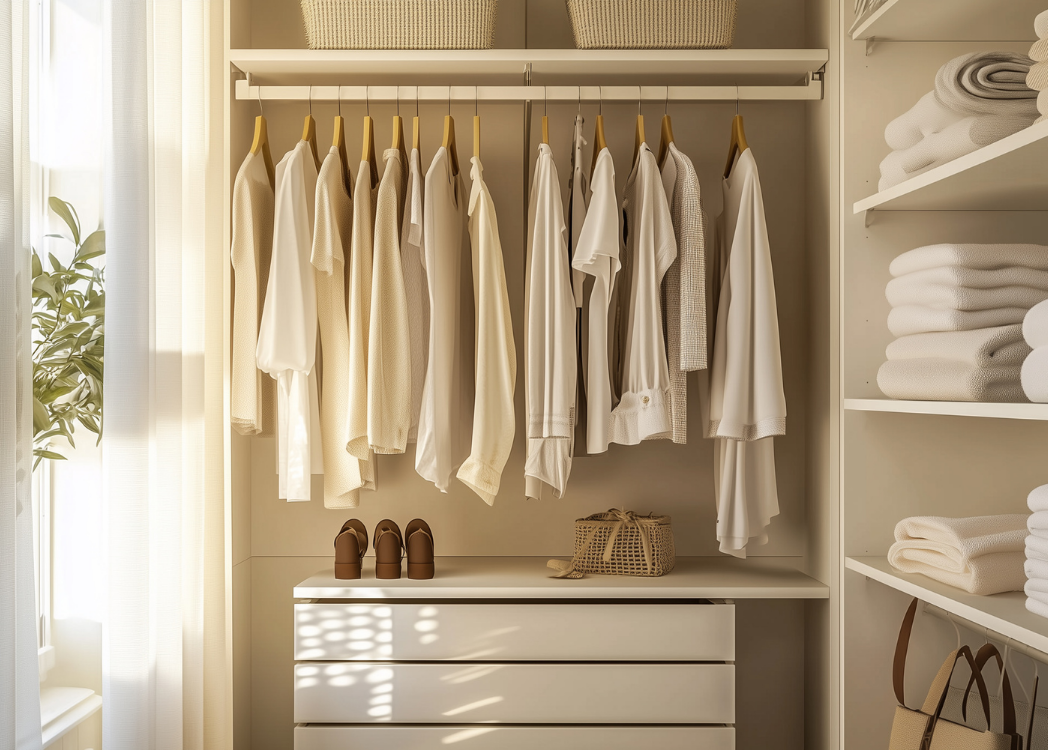
Many closets are underperforming simply because they were built with a single rod and shelf. Simple modifications can double or even triple usable space.
Upgrades may include:
- Adding a second hanging rod
- Installing adjustable shelving
- Incorporating drawer inserts
- Using vertical shoe racks
Custom systems aren’t always necessary. Even small structural adjustments dramatically improve efficiency.
Make Multi-Use Furniture Work Harder
Furniture that serves more than one function is particularly valuable in smaller homes.
Examples include:
- Storage benches in entryways
- Beds with built-in drawers
- Ottomans with concealed compartments
- Fold-down desks or wall-mounted tables
These pieces reduce the need for additional standalone storage units and help maintain visual openness.
Improve Entryway Organization
Entryways are often small but high-traffic areas. Without structure, they quickly become clutter zones for shoes, bags, keys, and seasonal gear.
Practical improvements might include:
- Wall-mounted hooks instead of freestanding racks
- Slim shoe cabinets rather than open piles
- Designated trays for keys and small items
- Seasonal rotation to reduce overflow
When the entry functions smoothly, the entire home feels more controlled.
Rethink Kitchen Storage Beyond Cabinets
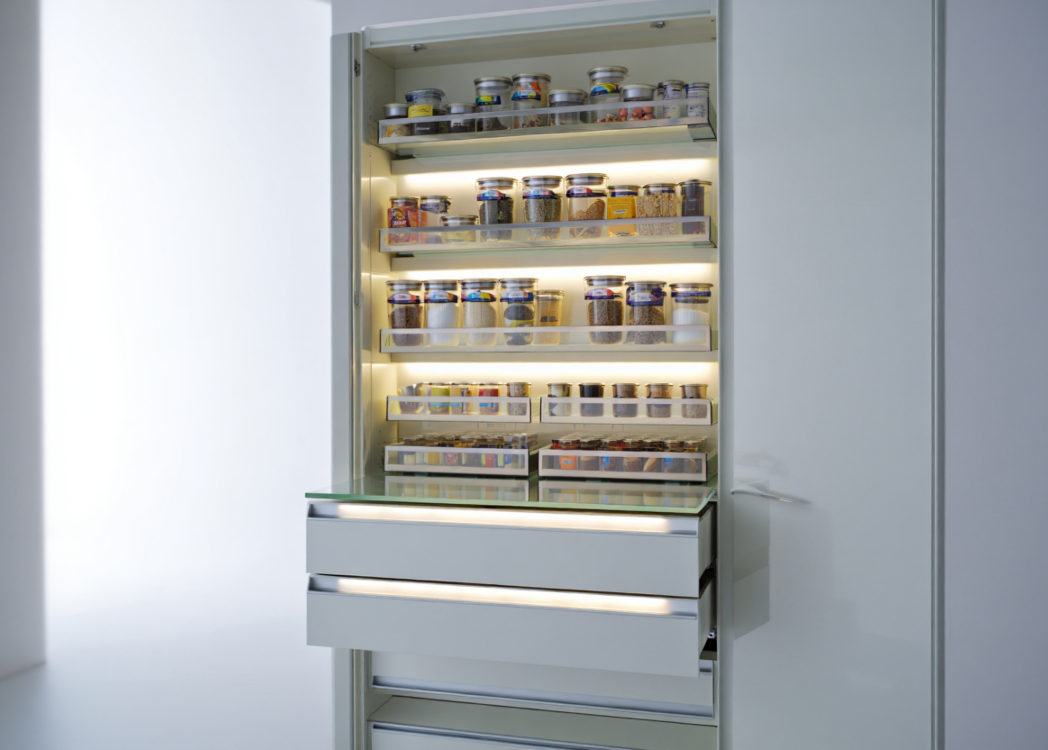
Kitchens frequently feel crowded, especially in older homes with limited cabinetry. However, not all storage needs to be behind closed doors.
Smart kitchen adjustments may include:
- Pull-out organizers inside lower cabinets
- Magnetic strips for knives or tools
- Wall-mounted pot racks
- Drawer dividers for utensils
Organizing by frequency of use keeps essential items accessible while freeing deeper storage for occasional items.
Utilize “Dead Space” Thoughtfully
Small gaps and overlooked areas can become functional storage with minimal effort.
Consider:
- Narrow pull-out shelving beside appliances
- Storage above refrigerators
- Under-stair compartments
- Toe-kick drawers beneath cabinetry
These areas may not accommodate large items, but they are ideal for smaller or seasonal belongings.
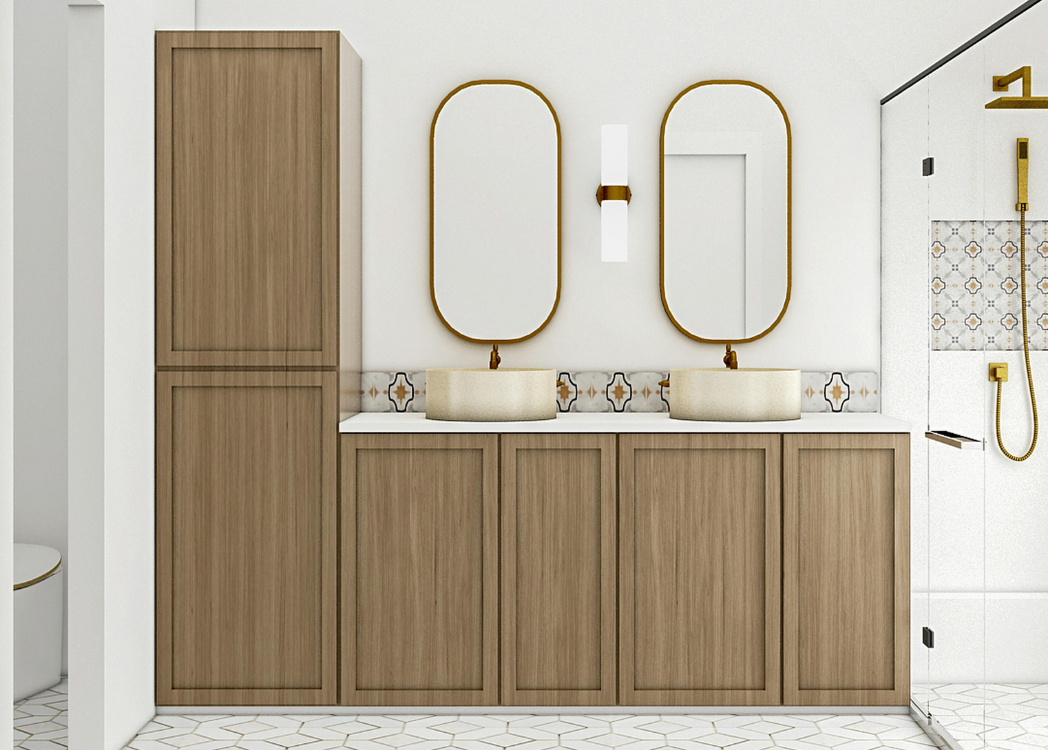
Bathroom Storage Without Expanding
Bathrooms often lack sufficient storage, particularly in older homes.
Simple improvements can include:
- Recessed shelving between wall studs
- Over-toilet shelving
- Drawer organizers for smaller items
- Medicine cabinet upgrades with deeper interiors
Because bathrooms are moisture-prone, materials should be selected carefully to ensure durability.
Garage and Basement Organization
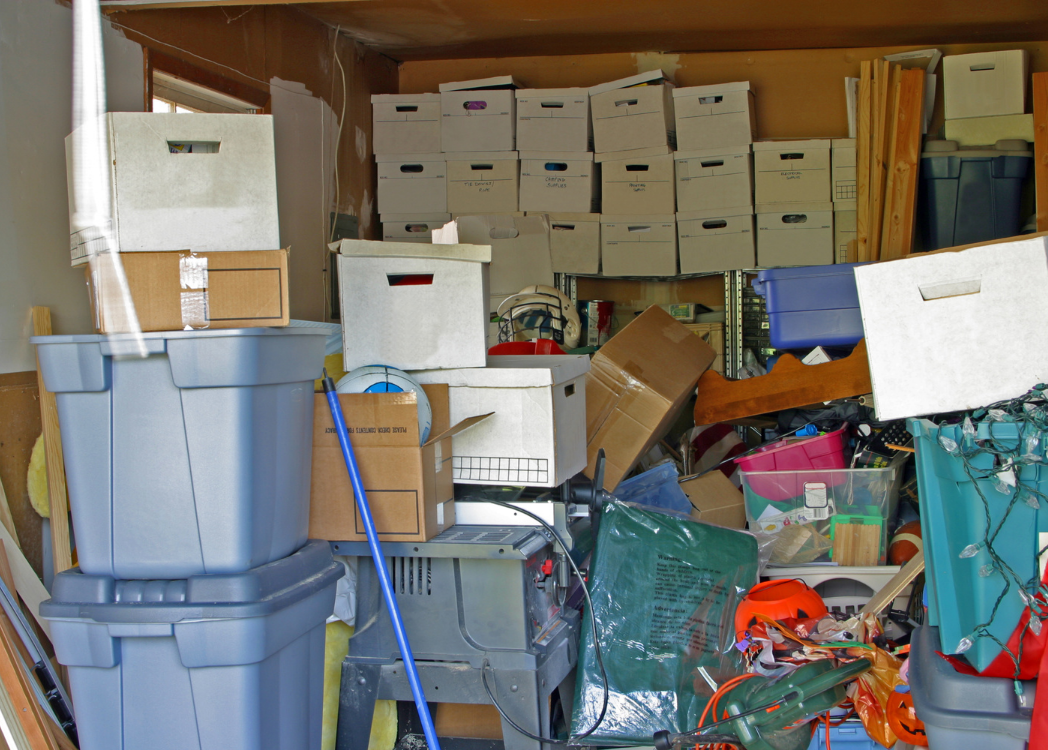
Storage challenges often spill into garages and basements. Without structure, these areas can quickly become catch-alls.
Effective systems include:
- Wall-mounted track systems for tools
- Ceiling-mounted storage racks
- Clearly labeled bins
- Designated zones for seasonal equipment
Elevating items off the floor not only improves organization but also protects belongings from moisture.
Decluttering as Part of Storage Planning
No storage system can compensate for accumulated items that no longer serve a purpose. Maximizing space often begins with reassessing what needs to remain.
Practical guidelines include:
- Removing duplicates
- Letting go of unused items
- Setting limits for specific categories
Thoughtful decluttering enhances the effectiveness of any storage solution.

Maintaining Flow and Visual Calm
Storage isn’t only about capacity—it also affects how a space feels. Open surfaces and consistent systems reduce visual noise and create a sense of order.
Strategies that support visual calm:
- Matching storage bins
- Limiting open shelving clutter
- Keeping frequently used items within easy reach
- Avoiding overfilling shelves
Small spaces benefit from restraint and intentional placement.
Planning Storage Improvements in Phases
Rather than overhauling an entire home at once, gradual adjustments often yield better results.
A practical sequence might include:
- Entryway and daily-use areas
- Closets and bedrooms
- Kitchen improvements
- Garage or basement systems
Working room by room prevents overwhelm and allows homeowners to refine systems over time.
Why Thoughtful Storage Matters
Small homes are not inherently less functional. In many cases, they simply require more intentional organization. When storage aligns with how people actually live, even compact spaces can feel comfortable and efficient.
Maximizing space is less about adding square footage and more about improving usability. With careful planning, vertical thinking, and modest upgrades, small homes can operate smoothly without feeling crowded.