How to Prepare Your Home for Changing Weather Patterns
Understanding how shifting temperatures, heavier rain, and seasonal transitions affect your home—and how to stay ahead of it.

Weather doesn’t follow the same patterns it once did. Seasons shift more gradually, storms arrive with less predictability, and temperature swings can happen within the same week. For homeowners, this creates a different kind of challenge—not necessarily more work, but a need for greater awareness.
Homes are designed to handle a range of conditions, but they rely on consistency. When weather becomes less predictable, small weaknesses tend to show up more quickly. Areas that handled steady seasonal changes well may respond differently when those changes become more abrupt or uneven.
Preparing for this doesn’t mean overhauling anything. It’s more about understanding how your home responds to environmental changes and making small adjustments that support that response.
Water Movement Becomes Less Predictable
One of the biggest shifts in recent years has been how water moves around a home. Heavier rain, quicker snowmelt, and more frequent storms can all change how water collects and drains.
Even homes with good drainage can experience different patterns when rainfall increases or arrives more suddenly.
It’s worth paying attention to:
- Areas where water collects after storms
- Changes in how quickly soil dries out
- Downspouts that may now be directing more volume than before
- Low spots that weren’t noticeable in previous seasons
These changes don’t always require major correction, but they do signal that water is behaving differently than it has in the past.
Temperature Swings Affect Materials More Than You Think
When temperatures fluctuate quickly, materials don’t always have time to adjust gradually. Instead of expanding or contracting over a season, they respond in shorter cycles.
This can lead to:
- More noticeable drywall cracks
- Slightly increased movement in trim and joints
- Doors and windows shifting more frequently
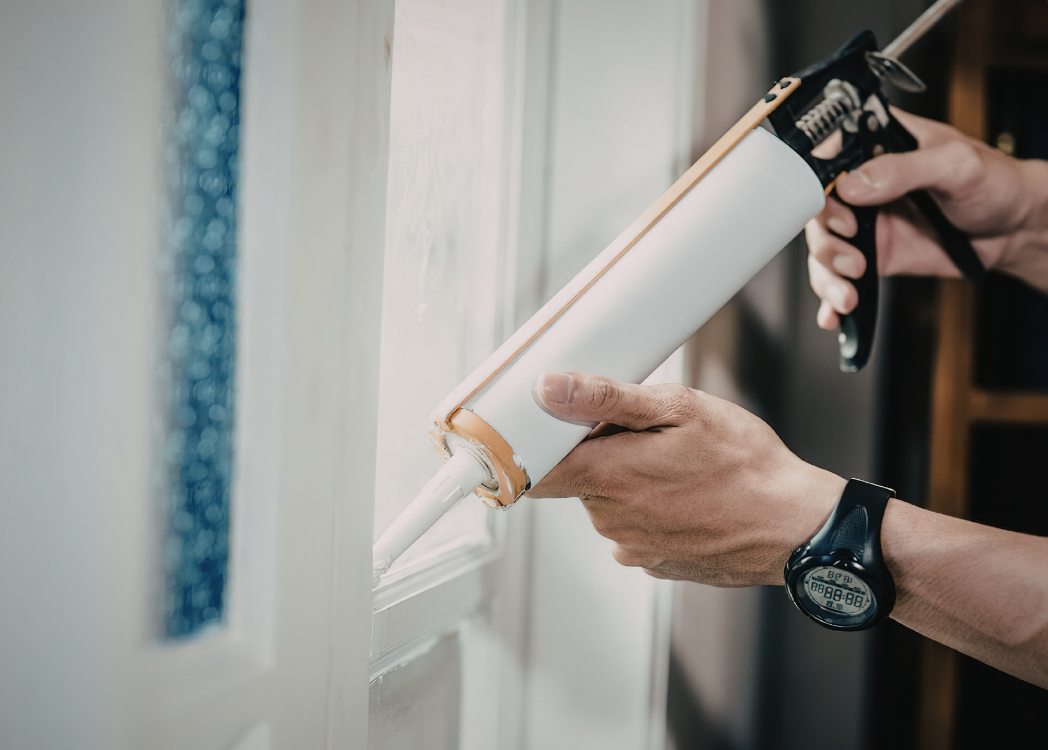
- Caulking and sealants wearing faster than expected
None of these changes are unusual on their own, but when they happen more often, they can give the impression that something is wrong.
In most cases, it’s simply a response to faster or more frequent temperature changes.
Moisture and Airflow Are More Connected Than Ever
As weather patterns shift, the balance between moisture and airflow inside the home becomes more important.
Warmer air holds more moisture, and when that air moves through cooler areas—like basements or exterior walls—it can create condensation more easily than expected.
You might notice:
- Windows fogging in conditions where they didn’t before
- Slight dampness in areas that used to stay dry
- A heavier feeling in certain rooms, especially after rain
These changes don’t necessarily indicate a problem with the home itself, but they do suggest that airflow and ventilation may need small adjustments to keep conditions balanced.
Exterior Materials Experience More Variation
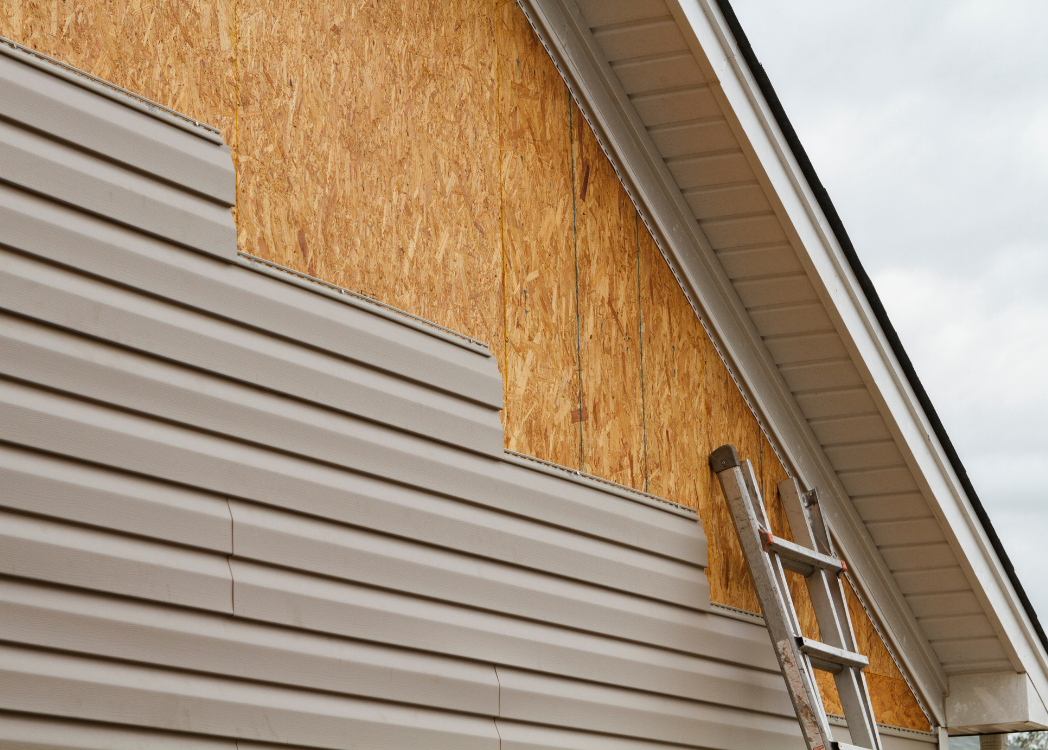
Siding, trim, and exterior finishes are built to handle exposure, but changing weather patterns can increase how often they cycle between wet and dry, hot and cold.
Over time, this can lead to:
- Faster wear on painted surfaces
- Small gaps forming at joints more frequently
- Slight warping or softening in areas that retain moisture
These changes tend to develop gradually, but they may appear sooner than expected if conditions fluctuate more often.
Keeping an eye on these surfaces—especially where materials meet—helps catch early signs of wear.
Wind and Storm Exposure
Stronger or more frequent storms can affect areas of the home that previously saw less stress.
Even if there’s no visible damage, it’s useful to occasionally check:
- Trim and siding edges for looseness
- Outdoor fixtures for stability
- Fencing or railings for movement
- Areas where wind tends to hit directly
Repeated exposure to wind and rain doesn’t always create immediate issues, but it can loosen connections over time.
Seasonal Timing Isn’t as Clear
In the past, maintenance often followed predictable timing—spring cleanup, summer projects, fall preparation. As weather patterns shift, those timelines become less defined.
You might find that:
- Spring conditions arrive earlier or later than expected
- Warm periods are interrupted by sudden cold
- Rain extends into times that are usually dry
Because of this, it can be more useful to respond to conditions rather than the calendar. Instead of waiting for a specific month, paying attention to how the environment is behaving provides better timing for small adjustments.
What to Focus On Instead of Everything
It’s easy to feel like changing weather requires more maintenance, but in most cases, it just requires more targeted attention.
A few key areas tend to matter most:
- Water direction and drainage
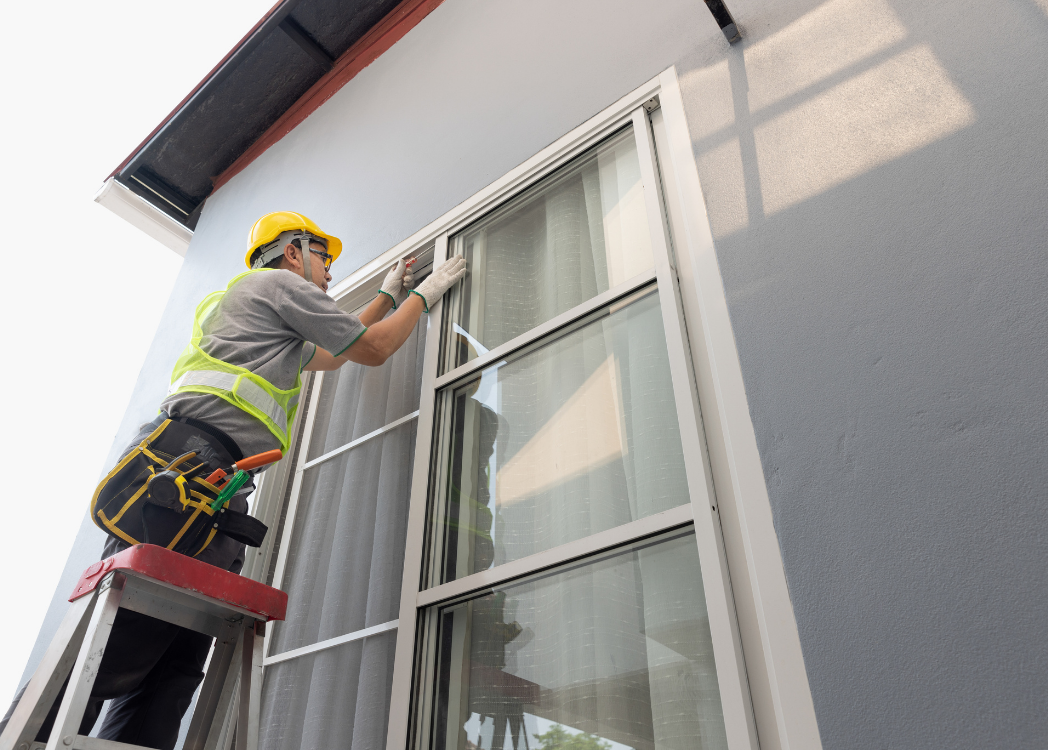
- Sealed joints and transitions
- Airflow and ventilation
- Areas exposed to repeated weather impact
Focusing on these elements helps support how the home naturally responds, rather than trying to control every condition.
Small Adjustments Go Further Than Big Changes
Preparing for shifting weather patterns doesn’t mean making large upgrades. Often, it’s the smaller adjustments that have the most impact.
That might include:
- Redirecting water slightly farther from the home
- Resealing a joint that’s beginning to separate
- Adjusting airflow in a room that feels different
- Securing an exterior element that has loosened over time
These changes don’t alter the structure of the home—they support it.
Paying Attention to Patterns
As conditions become less predictable, patterns become more valuable.
Noticing how your home responds to certain types of weather—heavy rain, rapid temperature shifts, extended humidity—helps build a clearer understanding of what’s normal and what’s not.
Over time, this makes it easier to recognize when something falls outside of those patterns.
A More Flexible Approach to Maintenance
Instead of thinking of maintenance as a fixed schedule, it can be helpful to think of it as responsive.
That doesn’t mean constantly checking everything. It means being aware of how conditions are changing and adjusting accordingly.
Homes are built to adapt, but they perform best when small changes are noticed early and addressed in proportion to what’s actually happening.
Changing weather patterns don’t necessarily create new problems—they tend to reveal how well a home handles variation. With a bit of awareness, most of those changes can be managed through small, steady adjustments rather than reactive fixes.