Why Some Repairs Keep Coming Back (And What That Usually Means)
When the same issue repeats, it’s often a sign the root cause hasn’t been addressed.
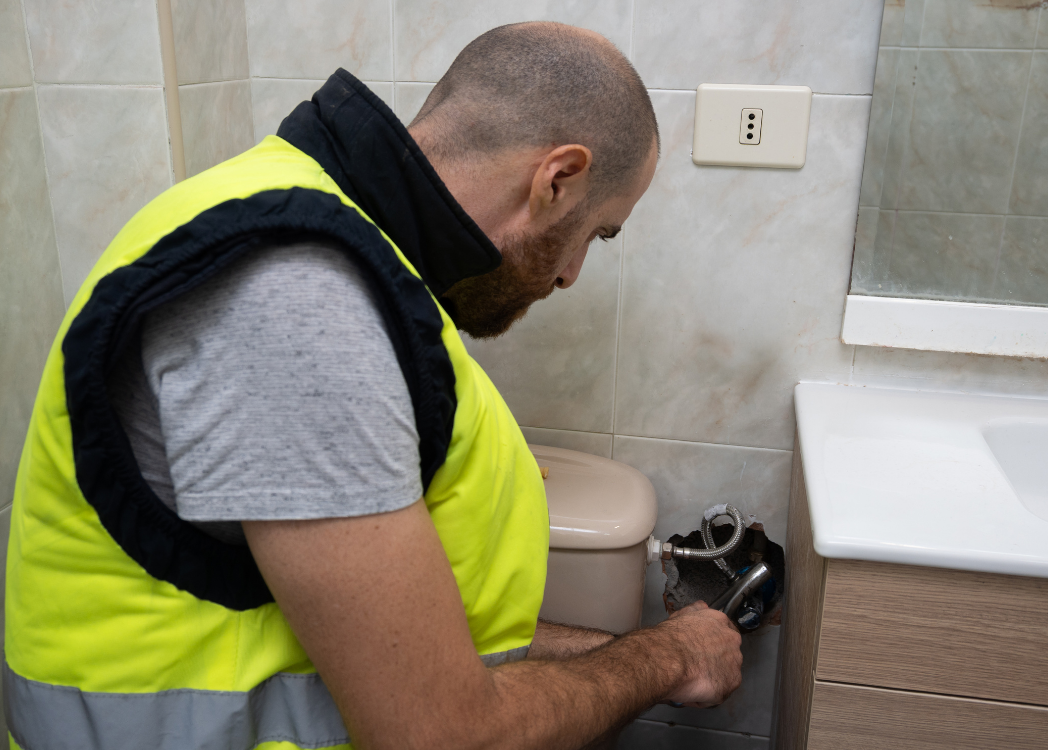
Most homeowners have experienced it at some point. You fix something—a crack, a leak, a loose fixture—and for a while, everything seems fine. Then, a few months later, the same issue shows up again. Maybe it looks slightly different, or maybe it’s in the exact same spot, but it’s clearly not resolved.
It’s frustrating, especially when the original fix seemed straightforward. The natural assumption is that something wasn’t done properly. In some cases, that’s true. But more often, recurring repairs aren’t about poor workmanship—they’re about incomplete understanding of what caused the issue in the first place.
Homes are systems. When something shows up repeatedly, it’s usually because the visible problem is only part of a larger pattern.
Surface Fix vs. Root Cause
A useful way to think about recurring repairs is the difference between treating a symptom and addressing a cause.
If a crack appears in drywall and is simply patched, the surface is restored. But if that crack was caused by movement—whether from seasonal expansion, humidity changes, or minor settling—the conditions that created it are still present. The patch may hold for a time, but eventually, the same stress shows up again.
The same pattern applies in other areas:
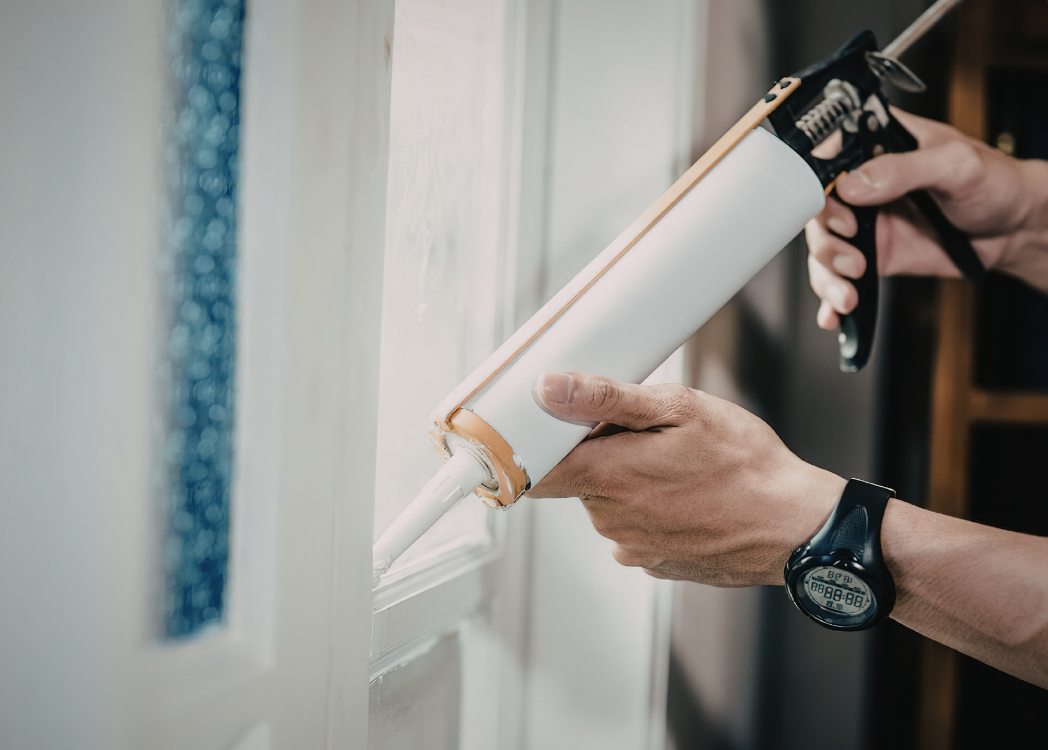
- Re-caulking a tub without addressing ongoing moisture exposure
- Tightening a loose railing without reinforcing the anchoring point
- Repainting exterior trim without resolving water intrusion
In each case, the repair addresses what’s visible, but not what’s driving it.
Movement-Related Repairs
One of the most common reasons repairs come back is movement. Homes shift slightly over time, and materials respond to those changes differently.
Recurring signs of movement often include:
- Cracks that reappear in the same location
- Doors that require repeated adjustment
- Trim that separates and is reattached multiple times
These aren’t necessarily signs of structural failure. In many homes, they reflect normal seasonal behavior. The issue arises when the repair assumes the condition is static.
If movement continues—even at a small scale—rigid repairs tend to fail first. Understanding that movement exists changes how those repairs are approached.
Moisture: The Most Common Underlying Factor
If there’s one factor behind a large percentage of recurring issues, it’s moisture.
Water has a way of finding paths that aren’t immediately obvious. It can enter through small gaps, travel along surfaces, and collect in areas that don’t show immediate signs of damage.
Recurring moisture-related repairs might look like:
- Caulking that repeatedly separates or discolors
- Paint that bubbles or peels in the same area
- Persistent musty smells that return after cleaning
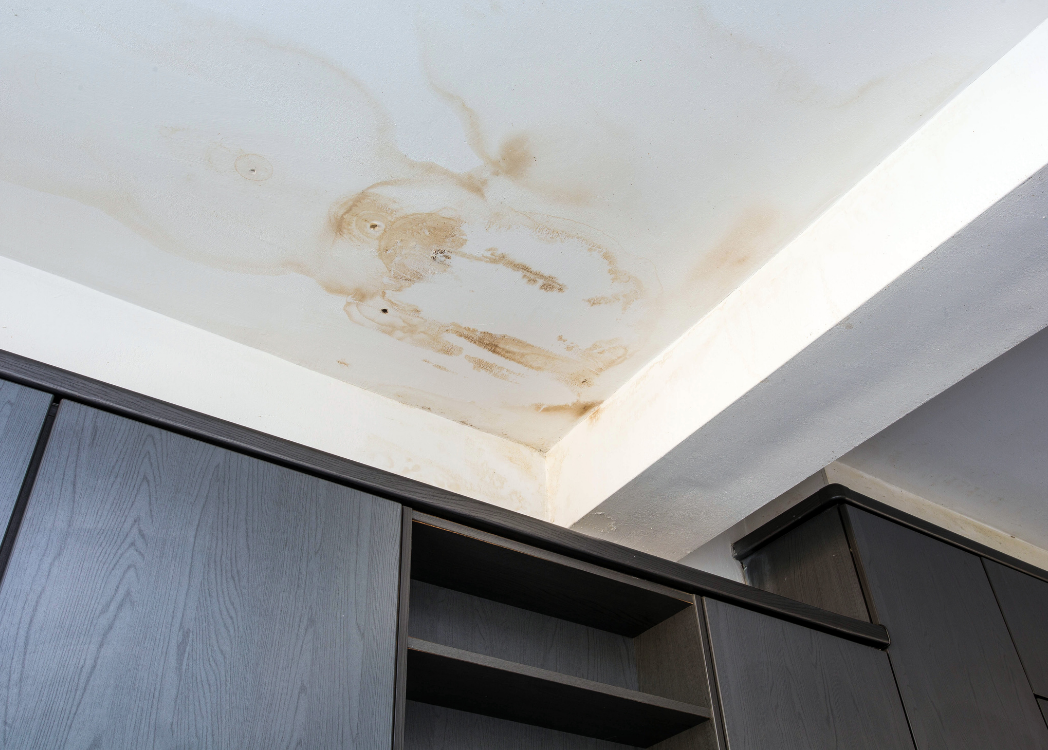
- Minor staining that reappears after drying
In these cases, the visible issue is rarely the starting point. Moisture may be entering from a nearby seam, a slightly misdirected downspout, or a ventilation issue that allows humidity to build up.
Until that path is identified, surface repairs tend to be temporary.
Material Mismatch and Incompatible Fixes
Another reason repairs don’t hold is the use of materials that don’t behave the same way as the surrounding structure.
Homes are made of materials that expand, contract, and flex differently. When a repair introduces something more rigid—or more flexible—than what it’s attached to, stress builds at the connection point.
For example:
- A rigid patch on a surface that naturally moves
- A sealant that hardens in an area that needs flexibility
- Fasteners that don’t account for expansion
These mismatches may not fail immediately, but over time, they create pressure that leads to separation or cracking.
Matching the behavior of materials is often just as important as matching their appearance.
Repetition Without Reassessment
Sometimes the issue isn’t the repair itself—it’s the approach to repeating it.
If the same fix is applied multiple times without stepping back to reassess the situation, it’s easy to miss the underlying pattern. The repair becomes routine rather than investigative.
A better approach is to pause after a repeat issue and ask:
- Did the conditions around this area change?
- Is this happening elsewhere in the home?
- Has the frequency increased?
These questions shift the focus from fixing to understanding.
When Location Matters
Where a repair keeps returning can provide useful clues.
For example:
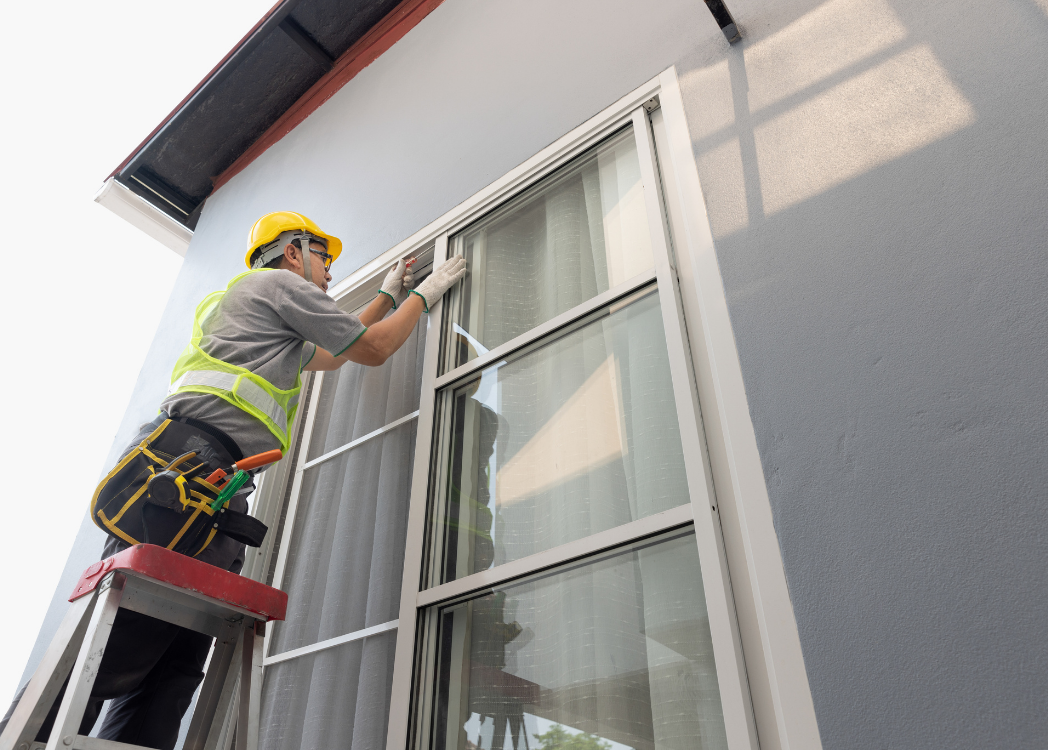
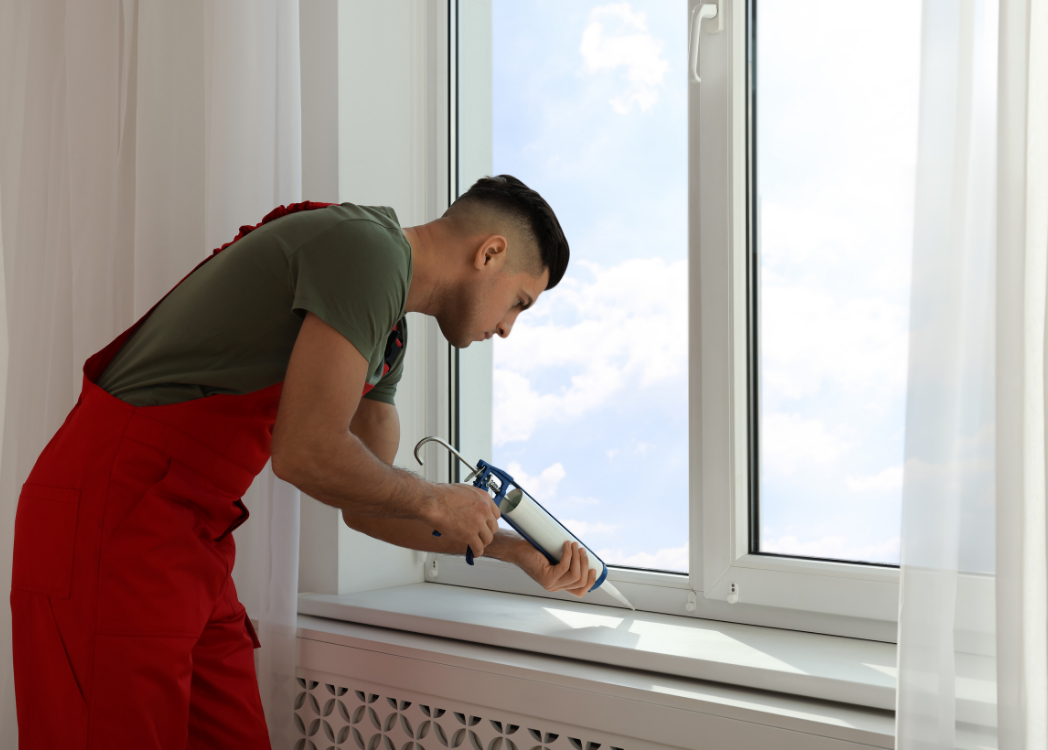
- Issues near windows or doors may point to sealing or movement
- Problems along exterior walls may relate to moisture exposure
- Recurring interior cracks in the same vertical line may reflect framing movement
Patterns tied to location are rarely random. They usually follow how the home interacts with its environment—weather, temperature, and moisture.
Recognizing these patterns often leads to more effective, longer-lasting solutions.
The Role of Timing
Timing can also reveal why repairs return.
If a problem consistently appears during a certain season—spring, for example—it may be linked to conditions specific to that time of year. Increased humidity, thawing ground, or heavier rainfall can all influence how materials behave.
Similarly, issues that show up during colder months may be tied to contraction, dryness, or heating-related airflow changes.
Tracking when something occurs, not just where, adds another layer of understanding.
When a “Fix” Isn’t Actually a Fix
Some repairs improve appearance without improving function.
Painting over a stained area may hide discoloration but won’t address moisture. Filling a gap may improve how something looks, but if movement continues, the gap often returns.
These types of fixes aren’t necessarily wrong—they can be part of maintaining a home—but they shouldn’t be mistaken for permanent solutions.
Clarity about what a repair is meant to accomplish helps set realistic expectations.

Breaking the Cycle
When a repair comes back, it’s an opportunity to take a closer look rather than simply repeating the same solution.
That doesn’t mean every recurring issue requires a major intervention. Often, small adjustments—redirecting water, improving ventilation, allowing for movement—are enough to change the outcome.
The difference is that the approach shifts from reacting to the symptom to understanding the condition.
A More Durable Way to Approach Repairs
Not every repair needs to be permanent, but it should be appropriate for the conditions around it.
A more durable approach considers:
- Whether the area is exposed to moisture
- Whether materials are likely to move
- Whether the repair allows for that movement
- Whether surrounding conditions support the fix
Taking these factors into account doesn’t always require more effort—it just requires a slightly different perspective.
Recurring repairs can feel like setbacks, but they’re often useful signals. They point to patterns that aren’t immediately obvious and highlight how different parts of a home interact.
When those patterns are understood, repairs tend to last longer—not because they’re more complex, but because they’re better aligned with how the home actually behaves.