What to Check Before Starting Any Home Project This Season
A practical way to assess your space before beginning work—so small issues don’t complicate the process later.
Starting a home project—whether it’s a small repair or a larger update—usually begins with a clear goal. You want to improve something, fix something, or make a space function better. What often gets less attention is the condition of the area before the work begins.
Many projects don’t run into issues because the work itself is complicated. They run into issues because something just outside the original scope was overlooked. A surface isn’t as stable as expected. Moisture is present where it shouldn’t be. A small alignment issue affects how new materials fit.
Taking a bit of time to check the surrounding conditions before starting a project helps avoid those surprises. It doesn’t need to be a full inspection—just a focused look at the factors that tend to influence how work holds up over time.
Start With the Structure Beneath the Surface
Before focusing on finishes or appearance, it helps to understand what’s supporting the area you’re working on.
This doesn’t mean opening up walls or removing materials. It means paying attention to how stable things feel.
Look for:
- Movement underfoot or along surfaces
- Areas that feel slightly uneven
- Subtle flex in flooring or steps
- Surfaces that don’t feel fully solid
If the base layer of a project area isn’t stable, anything added on top of it is more likely to shift or wear unevenly.
Even small inconsistencies can affect how well new work performs.
Check for Signs of Moisture
Moisture is one of the most common reasons projects don’t hold up the way they should.
Before starting work, take a moment to look for:
- Discoloration or staining on nearby surfaces
- Slight softness in materials like wood or drywall
- Lingering damp or musty smells
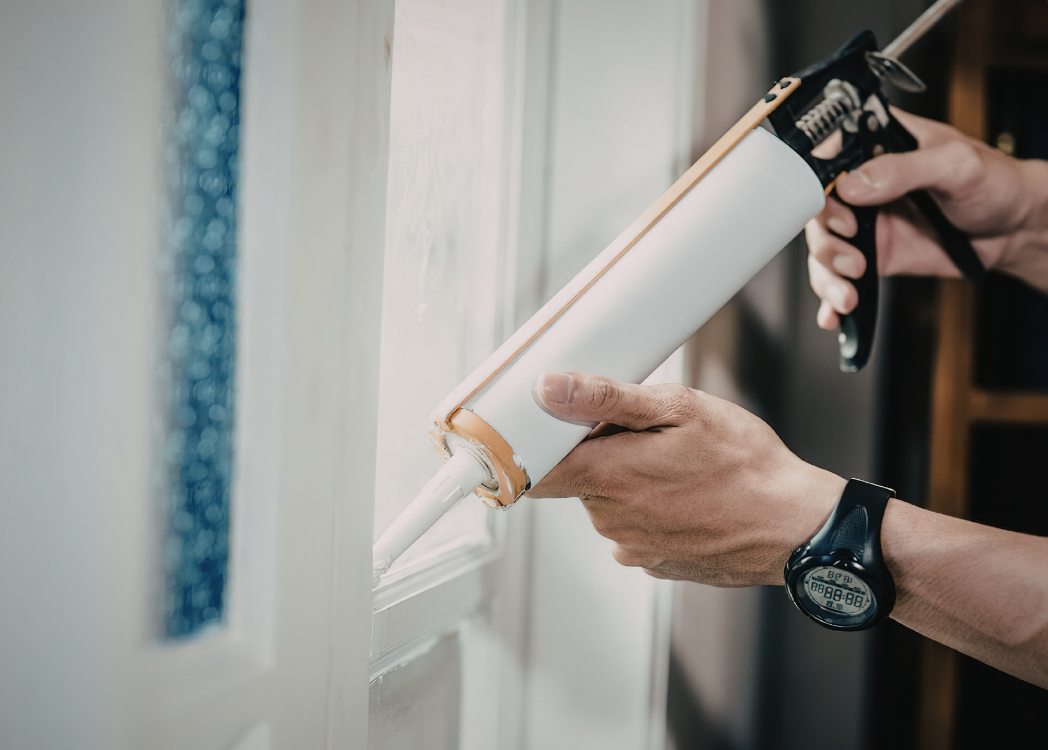
- Caulking or sealants that have already begun to fail
These signs don’t always indicate an active issue, but they do suggest that moisture has been present.
Addressing that condition first—whether it’s improving airflow, redirecting water, or resealing a joint—helps ensure the new work isn’t affected later.
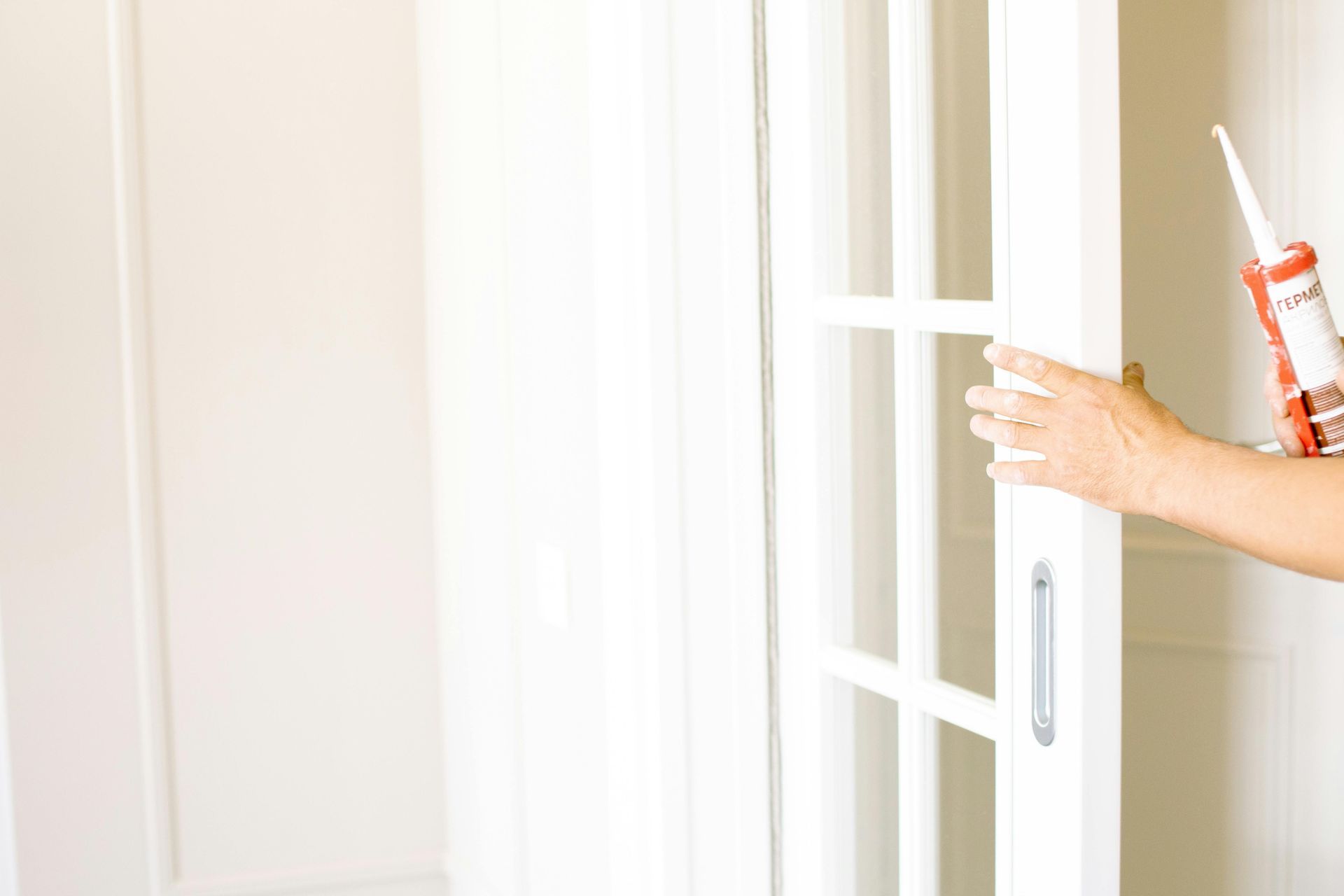
Understand How the Area Moves
Homes aren’t static, and neither are the areas where projects take place.
Before starting, consider whether the space shows signs of movement:
- Doors or drawers nearby that shift slightly with the seasons
- Small cracks that appear and reappear
- Trim that separates and closes over time
Movement doesn’t mean something is wrong, but it does influence how materials should be installed.
For example, rigid materials in an area that naturally shifts may be more prone to cracking or separation if that movement isn’t accounted for.
Look at How Materials Connect
Transitions between materials are where small issues tend to show up first.
Before starting a project, take a close look at how surfaces meet:
- Where walls connect to trim or flooring
- Where different flooring materials transition
- Where fixtures meet surrounding surfaces
If these connections already show signs of wear—small gaps, uneven lines, or aging sealants—it’s worth addressing them before adding anything new.
Clean transitions tend to support cleaner, longer-lasting results.
Check Nearby Areas, Not Just the Project Zone
One of the most common oversights is focusing too narrowly on the project area itself. Conditions just outside that space often have just as much impact.
For example:
- A bathroom project can be affected by ventilation performance
- A flooring update can be influenced by adjacent room alignment
- Exterior work can be impacted by drainage patterns nearby
Taking a step back and looking at the surrounding area helps identify anything that could influence the outcome.
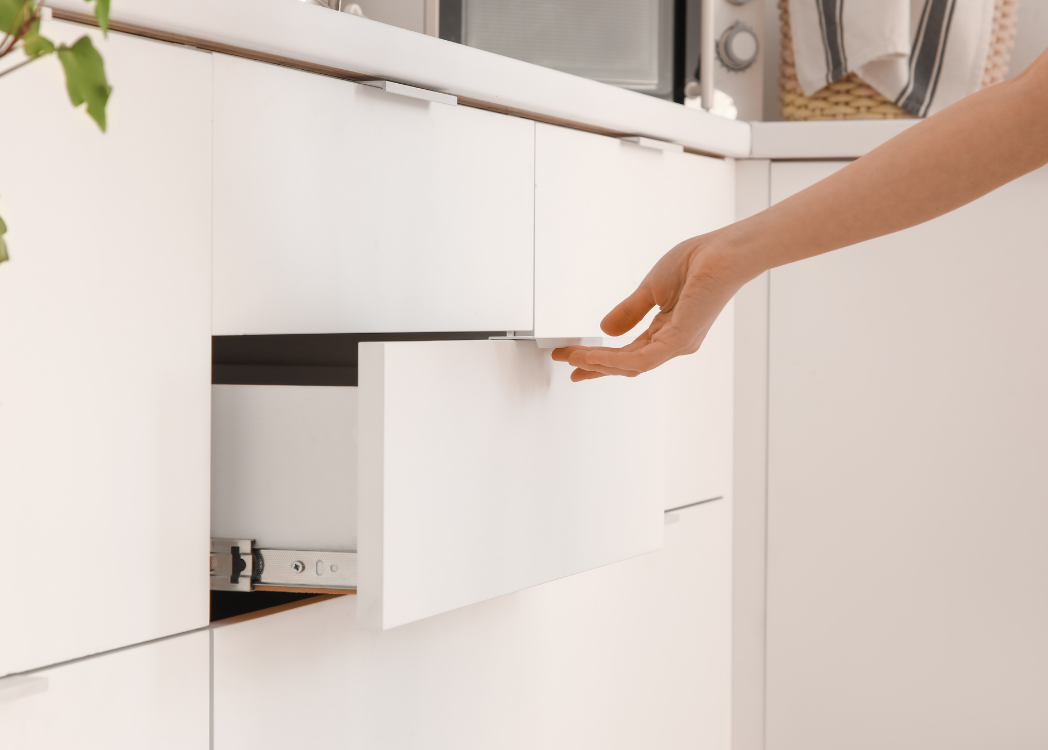
Confirm That Everything Operates as Expected
Before starting a project, it’s useful to make sure existing components are working the way they should.
That includes:
- Doors opening and closing smoothly
- Windows operating without resistance
- Fixtures feeling secure and stable
- Drawers and cabinets functioning properly
If something already feels slightly off, new work may highlight that issue rather than resolve it. Addressing small operational inconsistencies beforehand creates a more stable starting point.
Pay Attention to Access and Workflow
Not all project challenges come from materials or structure. Sometimes they come from how the space is used during and after the work.
Consider:
- Whether there’s enough space to move comfortably
- How tools or materials will be brought in and out
- Whether nearby areas will be affected by the work
Thinking through these details ahead of time helps avoid unnecessary adjustments mid-project.
Surface Preparation Matters More Than It Seems
It’s easy to focus on the end result of a project—the finished surface, the updated look—but preparation plays a significant role in how that result holds up.
Before starting, check:
- Whether surfaces are clean and free of buildup
- If there are existing layers that may interfere with new materials
- Whether edges and transitions are ready to receive new work
Even small inconsistencies in preparation can affect how well materials adhere, align, or perform.
When Small Adjustments Make a Big Difference
One of the advantages of checking conditions before starting a project is that many issues can be addressed quickly at this stage.
That might include:
- Tightening loose components
- Resealing small gaps
- Adjusting alignment slightly
- Improving airflow in the space
These aren’t major changes, but they can significantly improve how the final work performs.
Avoiding the “Redo” Scenario
One of the more frustrating outcomes of any project is having to revisit it sooner than expected.
In many cases, this isn’t because the work was done incorrectly. It’s because something outside the original scope influenced the result.
By taking a bit of time to assess the surrounding conditions, you reduce the likelihood of:
- Materials shifting after installation
- Finishes wearing unevenly
- Small issues reappearing in the same area
This doesn’t eliminate every risk, but it does create a more reliable starting point.
A More Thoughtful Starting Point
Starting a project with a clear understanding of the space changes how the work comes together. Instead of reacting to issues as they appear, you’re working with a better sense of what the area needs.
That doesn’t mean overanalyzing or delaying progress. It simply means taking a moment to look beyond the surface before moving forward.
Most home projects focus on what will change. Taking time to look at what’s already there—how it feels, how it behaves, and how it connects—helps ensure those changes hold up the way they’re intended to.