How to Spot Early Signs of Wear Before They Turn Into Repairs
What to look for around your home so small changes don’t quietly become larger problems.

Most home repairs don’t start as obvious problems. They begin as small changes—subtle shifts that are easy to overlook or dismiss. A thin line in drywall, a slightly loose railing, a faint discoloration near a sink. On their own, these don’t seem urgent. Over time, though, they tend to develop into something more noticeable, and often more expensive to address.
The challenge isn’t fixing these issues once they become visible. It’s recognizing them early enough that they remain simple. That doesn’t require specialized tools or technical expertise. It comes down to knowing what to look for and, just as importantly, what those small changes might be telling you.
Changes in Surfaces: Cracks, Gaps, and Separation
One of the most common early indicators of wear shows up in surfaces—walls, ceilings, trim, and joints. These are the areas where movement, settling, and material expansion tend to reveal themselves first.
Hairline cracks in drywall are a good example. They often appear around door frames, at ceiling transitions, or along corners where different materials meet. In many cases, these cracks are a normal result of seasonal expansion and contraction. What matters is whether they stay consistent or begin to widen over time.
Similarly, small gaps between baseboards and walls or along crown molding can signal subtle shifts in framing. These gaps may open and close slightly with changes in humidity, which is expected. However, if they become more pronounced or begin appearing in multiple areas, it may indicate a broader pattern of movement worth keeping an eye on.
The key isn’t to react to every crack or gap, but to notice when something looks different than it did before.
Movement in Doors and Windows
Doors and windows tend to respond quickly to changes in structure and humidity, which makes them useful indicators of early wear. When a door that used to close smoothly starts to rub at the top corner or requires extra pressure to latch, it’s often a sign that something has shifted—either in the door itself or in the surrounding frame.
Windows behave in a similar way. A window that suddenly feels tighter, or one that no longer stays open as easily, can point to minor changes in alignment or material expansion. In many homes, this happens seasonally and resolves on its own as conditions stabilize.
What’s important is consistency. If the same door sticks every spring and then loosens again in summer, that pattern is likely normal. If the issue continues to worsen or spreads to other areas, it may be worth a closer look.
Subtle Signs of Moisture
Moisture-related issues rarely start with visible water. They tend to appear gradually, often in ways that are easy to miss if you’re not looking for them.
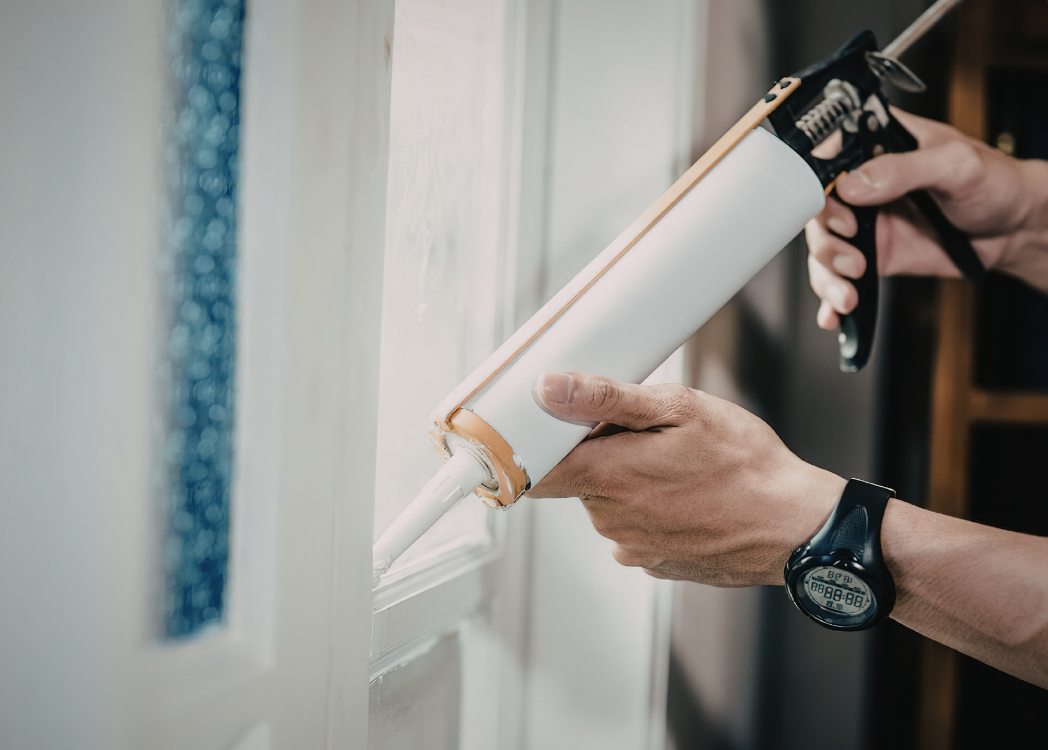
Under sinks, for example, early signs of a slow leak might include faint staining on the cabinet base, a slightly raised surface, or a musty smell that wasn’t there before. Around tubs and showers, deteriorating caulking can allow small amounts of water to seep behind surfaces, leading to soft spots or discoloration over time.
Even in areas that seem dry, changes in humidity can leave clues. Condensation on windows, peeling paint near ceilings, or persistent dampness in certain corners can all point to airflow or ventilation issues.
None of these necessarily indicate a major problem, but they suggest that conditions have shifted. Addressing them early is often as simple as resealing a joint or improving ventilation, rather than dealing with more extensive repairs later.

Exterior Wear That Develops Gradually
The outside of a home is constantly exposed to weather, which means wear tends to develop slowly and continuously. Because these changes happen incrementally, they’re easy to overlook until they become more pronounced.
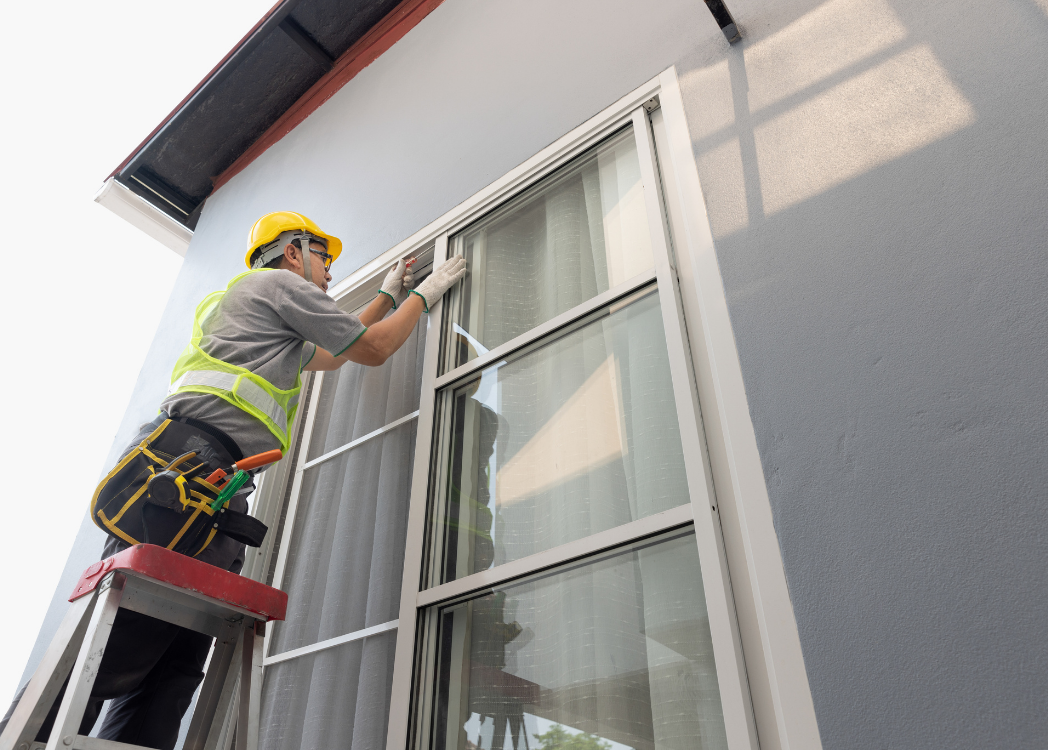
Trim boards are a common example. Over time, paint begins to wear, small gaps form at joints, and edges may start to soften from repeated exposure to moisture. At first, this might look like a cosmetic issue. Left unaddressed, it can allow water to reach underlying materials, leading to rot or deterioration.
Siding can show similar patterns. A slightly loose panel or a small gap at a seam may not seem significant, but it can allow moisture or pests to enter if it expands further.
Walking the perimeter of your home occasionally with a focus on “what’s changed” rather than “what’s wrong” can reveal these early signs before they escalate.
Hardware That Doesn’t Feel Quite Right
Another category of early wear shows up in how things feel during everyday use. Hardware—hinges, handles, railings, and fasteners—often loosens gradually.
A stair railing that has a slight amount of movement, a cabinet door that no longer closes flush, or a handle that turns a bit more freely than it used to are all small indicators. These issues are rarely urgent, but they tend to progress with continued use.
Tightening or adjusting hardware at this stage is typically straightforward. Waiting until something fully loosens or detaches can turn a minor fix into a more involved repair.
Flooring and Underfoot Changes
Floors provide subtle feedback about what’s happening beneath them. A board that creaks more than it used to, a tile that feels slightly uneven, or a transition strip that shifts underfoot can all indicate small changes in support or alignment.
In many cases, these changes are related to seasonal expansion or minor settling. Wood flooring, in particular, responds to humidity, expanding in more humid conditions and contracting when the air is dry.
The important distinction is between isolated, stable changes and those that continue to develop. A single creaky board that remains consistent is usually not a concern. Multiple areas changing over time may suggest a broader pattern.
Paint and Finish Changes
Paint and finishes often reveal early wear before structural elements do. Because they sit on the surface, they respond quickly to underlying changes.
Peeling or bubbling paint can indicate moisture beneath the surface. Fading or uneven coloration may point to areas receiving more exposure to sunlight or moisture than others. Small chips or cracks, especially near joints, can signal movement.
Refreshing finishes without addressing the underlying cause may temporarily improve appearance but won’t prevent the issue from returning. Taking note of where and how finishes change can help identify the source.

The Value of Comparison
One of the simplest ways to spot early wear is through comparison. Most changes happen gradually, which makes them difficult to notice in real time. Comparing how something looks or functions now to how it did a few months ago provides context.
This doesn’t require detailed records. Even a mental note—“this didn’t look like that last season”—is often enough to prompt a closer look.
For those who prefer something more concrete, occasional photos of specific areas (like a known crack or a section of exterior trim) can make changes easier to track over time.
Recognizing What’s Normal
Not every sign of wear requires action. Homes are dynamic, and materials naturally expand, contract, and age. Understanding what’s typical for your home helps prevent unnecessary concern.
Seasonal drywall cracks, minor door adjustments, and small trim gaps are all common. These tend to follow predictable patterns and stabilize within a season.
The focus should be on change—specifically, changes that are new, growing, or appearing in multiple places.
Addressing Issues While They’re Still Small
The advantage of catching early signs of wear is that solutions tend to be simple. Resealing a joint, tightening hardware, adjusting a hinge, or improving airflow are all manageable tasks when addressed early.
Delaying these small actions often allows conditions to worsen. Moisture spreads, gaps widen, and materials degrade further. What could have been handled quickly becomes more involved.
This doesn’t mean every small issue needs immediate attention, but recognizing which ones are likely to progress makes it easier to prioritize.
Building Awareness Into Routine
Spotting early signs of wear doesn’t require a formal inspection process. It can be part of normal interaction with your home.
Noticing how doors feel when you close them, how surfaces look in changing light, or how spaces smell after a shower provides ongoing feedback. These small observations, over time, create a clearer understanding of how your home behaves.
That awareness is often what prevents small issues from becoming larger ones.
Most homes don’t fail suddenly. They change gradually, offering small indications along the way. Learning to recognize those early signs shifts maintenance from reactive to intentional, and often makes the difference between a quick adjustment and a larger repair.