The Most Overlooked Areas of the Home (And Why They Matter More Than You Think)
A closer look at the spaces most homeowners rarely check—and what they can reveal over time.

Most homeowners naturally focus on the areas they see and use every day. Kitchens, living spaces, and bathrooms get the most attention, which makes sense—they’re visible, active, and central to daily life.
At the same time, there are parts of the home that rarely get a second look. They’re out of sight, used infrequently, or simply not part of a regular routine. Because of that, they tend to be overlooked until something forces attention.
What makes these areas important isn’t how often they’re used, but how quietly issues can develop there. When something changes in a low-visibility space, it often goes unnoticed longer, which gives small problems more time to grow.
Taking a closer look at these overlooked areas occasionally doesn’t require much effort, but it can provide useful insight into how the home is holding up overall.
Behind and Beneath: Appliances and Fixtures
Spaces behind and beneath appliances tend to collect both dust and information. Because they’re rarely accessed, they can reveal patterns that aren’t obvious elsewhere.
Under kitchen and bathroom sinks, for example, small leaks often begin subtly. A faint stain, a slightly raised surface, or a lingering smell may be the only indication that moisture has been present.
Behind appliances like refrigerators, washers, and dryers, you may find:
- Dust buildup that restricts airflow
- Minor signs of moisture near connections
- Loose or aging hoses
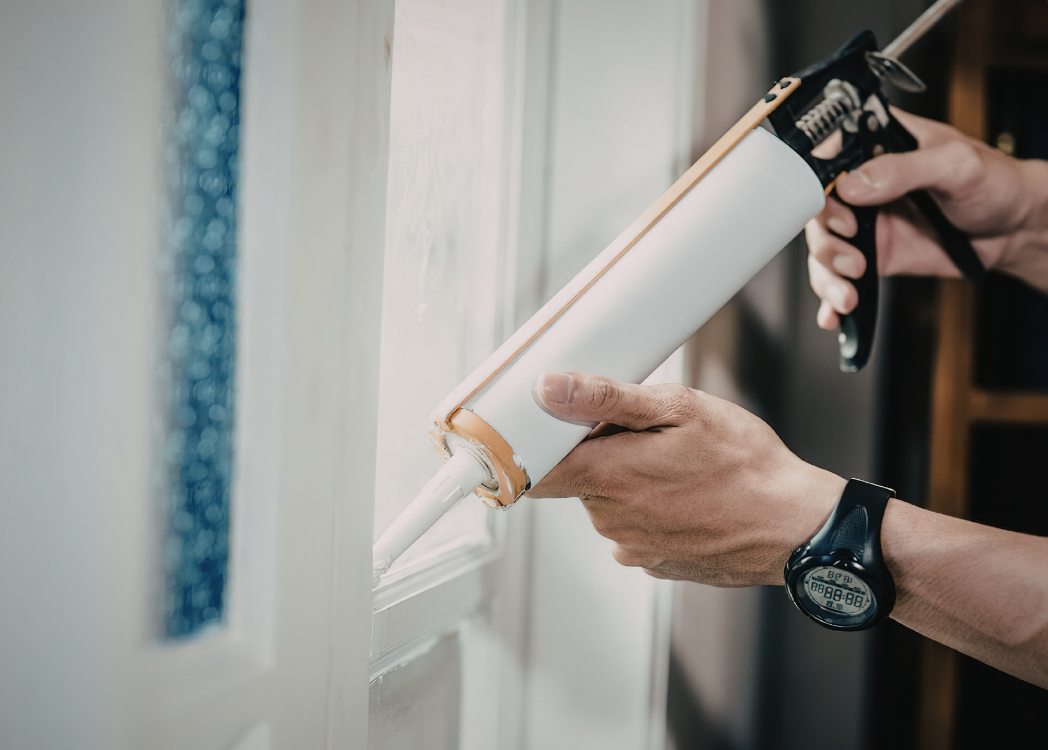
- Small gaps where materials meet
These aren’t issues that demand constant attention, but checking them occasionally helps catch early-stage changes before they become more noticeable.
Utility Areas and Mechanical Spaces
Basements, utility rooms, and mechanical closets often serve functional purposes without being part of everyday living space. Because of that, they’re easy to ignore once everything is working.
Over time, though, these areas can provide early indicators of broader conditions in the home.
Things to look for include:
- Changes in humidity or air quality
- Condensation on pipes or surfaces
- Small amounts of standing water or dampness
- Shifts in how equipment sounds during operation
These spaces tend to respond quickly to moisture and airflow changes. Even a slight difference in how the area feels—warmer, cooler, more humid—can signal that something has shifted elsewhere.
Corners, Edges, and Low-Traffic Zones
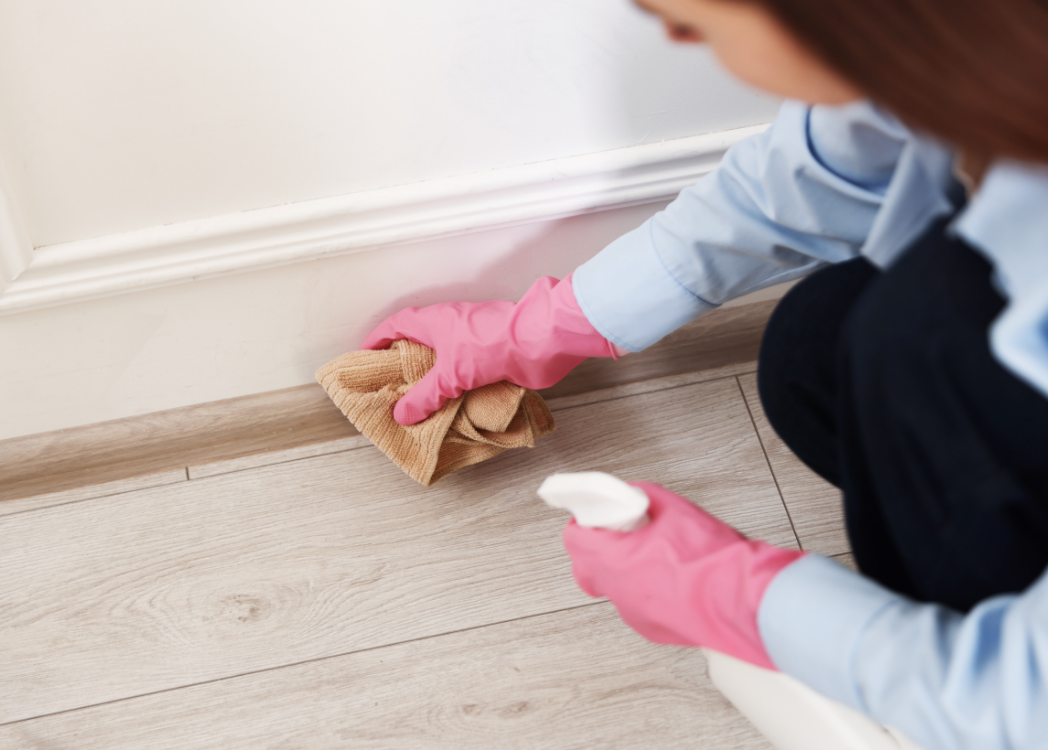
Rooms themselves are usually well-maintained, but corners and edges often receive less attention. These areas don’t see direct use, so small changes can go unnoticed.
You might find:
- Dust accumulation that masks subtle changes
- Minor cracking where walls meet
- Slight separation along baseboards
- Discoloration in areas with limited airflow
Because these zones are less disturbed, they often preserve early signs of wear longer than high-traffic areas where changes are quickly covered or cleaned.
Attics and Upper Spaces
Attics are one of the most overlooked parts of a home, largely because they’re not part of daily use and can be inconvenient to access.
When they are checked, they often reveal:
- Variations in insulation coverage
- Signs of airflow patterns
- Minor moisture or condensation
- Temperature differences compared to living spaces
Attics respond directly to both interior and exterior conditions. Changes here can reflect ventilation performance, seasonal shifts, and how effectively the home is managing air movement.
Even a brief check once or twice a year can provide useful context.
Door Frames, Hinges, and Upper Trim
Because attention tends to stay at eye level, upper trim and door frames often go unnoticed.
Over time, these areas may show:
- Small cracks at corners
- Slight separation between trim and wall
- Subtle alignment changes in frames
- Early signs of movement that aren’t yet visible elsewhere
These details can be easy to miss, but they often appear before larger, more noticeable changes develop.
Exterior Edges and Transitions
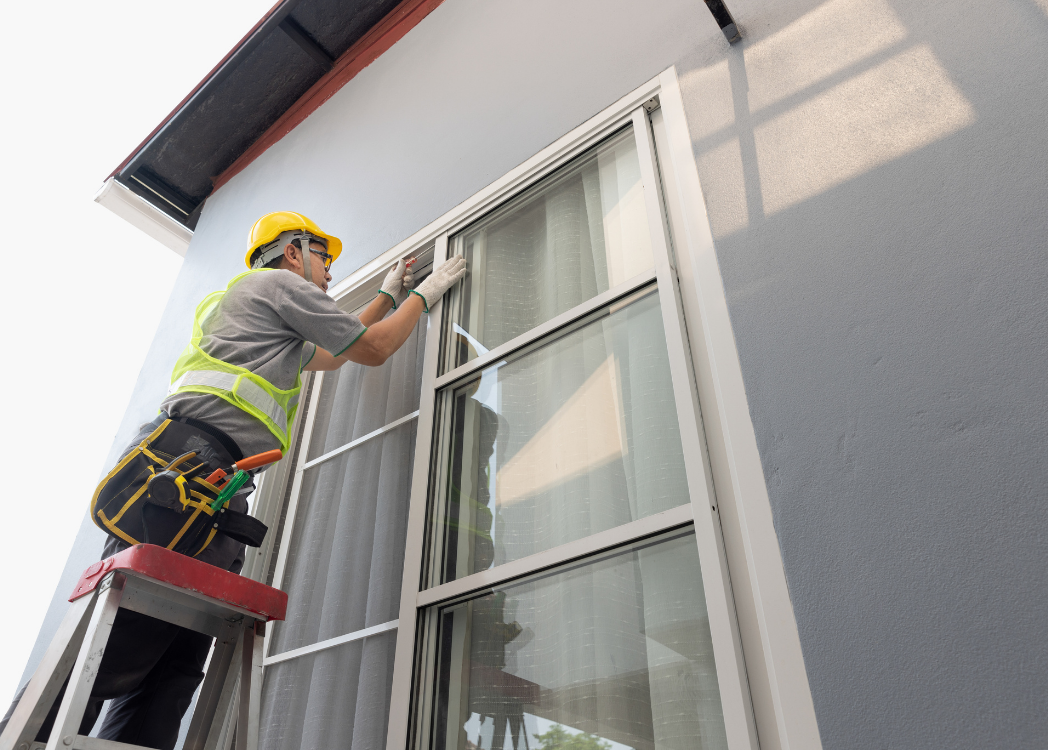
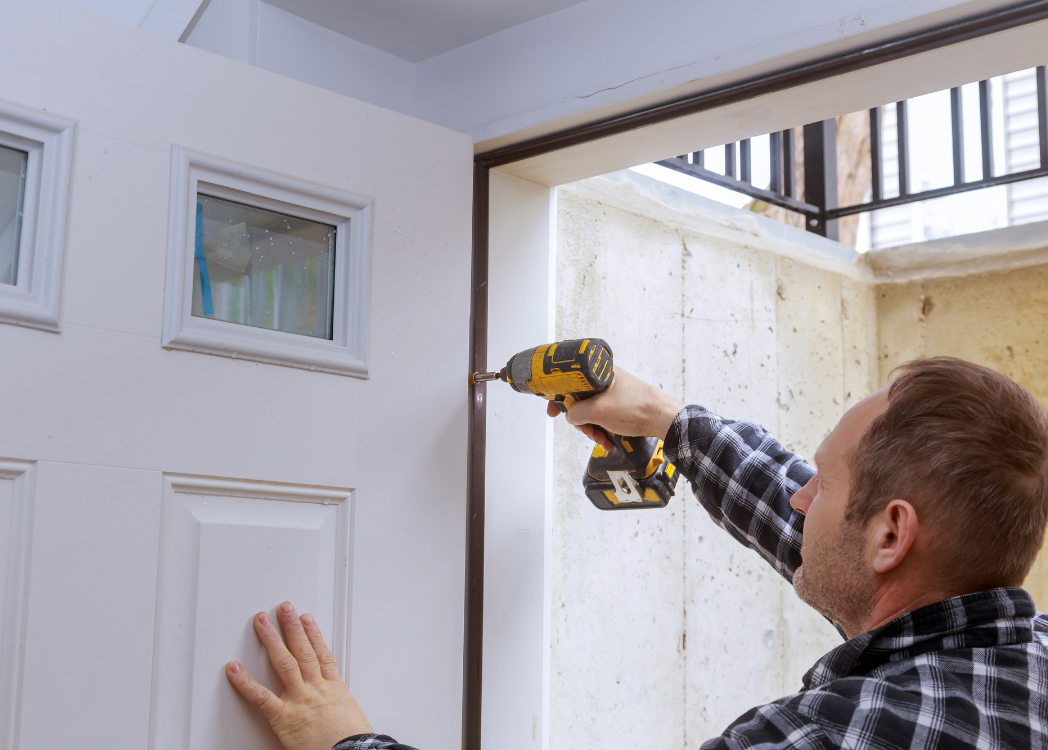
On the exterior, attention is often focused on visible surfaces like siding or roofing. However, the areas where materials meet—edges, seams, and transitions—are where early wear tends to show up.
These include:
- Where trim meets siding
- Around window and door frames
- At the base of exterior walls near the ground
- Where different materials connect
Small gaps, slight separation, or early signs of wear in these areas can allow moisture to enter over time. Because these changes are often subtle, they’re easy to overlook during a quick visual scan.
Garage Interiors and Transitional Spaces
Garages sit somewhere between interior and exterior space, which makes them particularly sensitive to seasonal changes.
Because they’re often used for storage or access rather than living, small issues can develop without much attention.
Common things to notice include:
- Changes in how the garage door opens and closes
- Cracks or movement in the slab
- Gaps along edges where the structure meets the floor
- Moisture or staining near walls
These spaces tend to reflect environmental changes quickly, especially with temperature swings and moisture.
Window Tracks and Less Visible Components
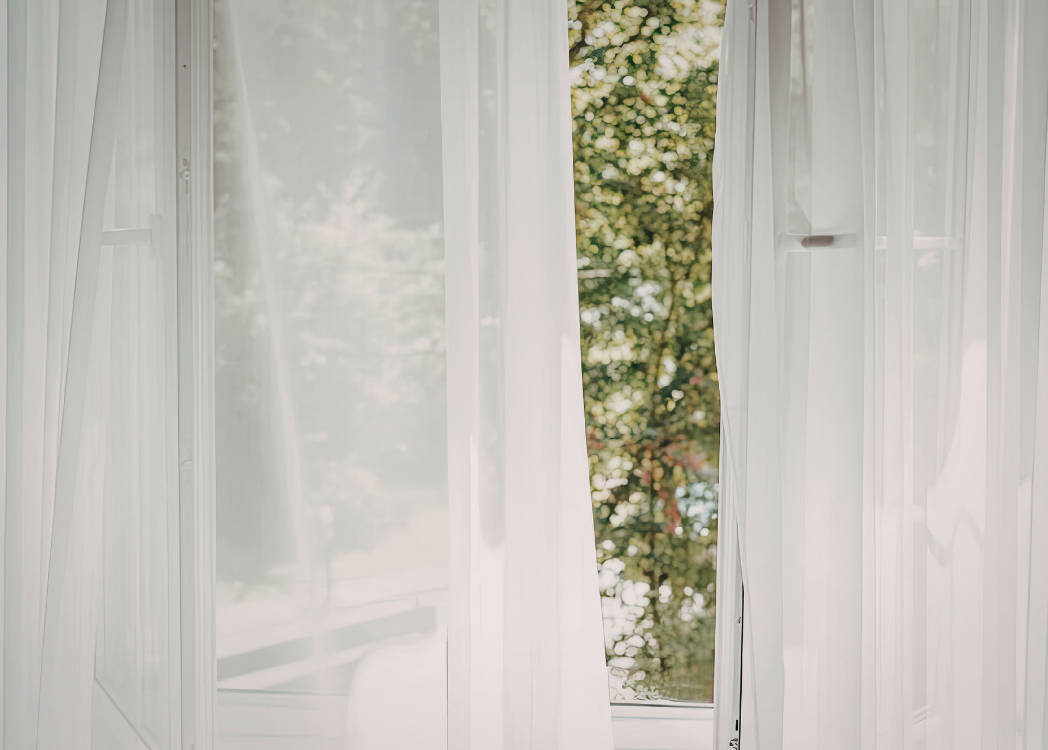
Windows themselves are usually cleaned and maintained, but the less visible components—tracks, seals, and edges—often receive less attention.
Over time, these areas can accumulate:
- Debris that affects operation
- Moisture that doesn’t fully dry
- Wear along seals or edges
These small changes can influence how windows perform, even if the glass and frame appear to be in good condition.
Storage Areas That Don’t Get Rotated
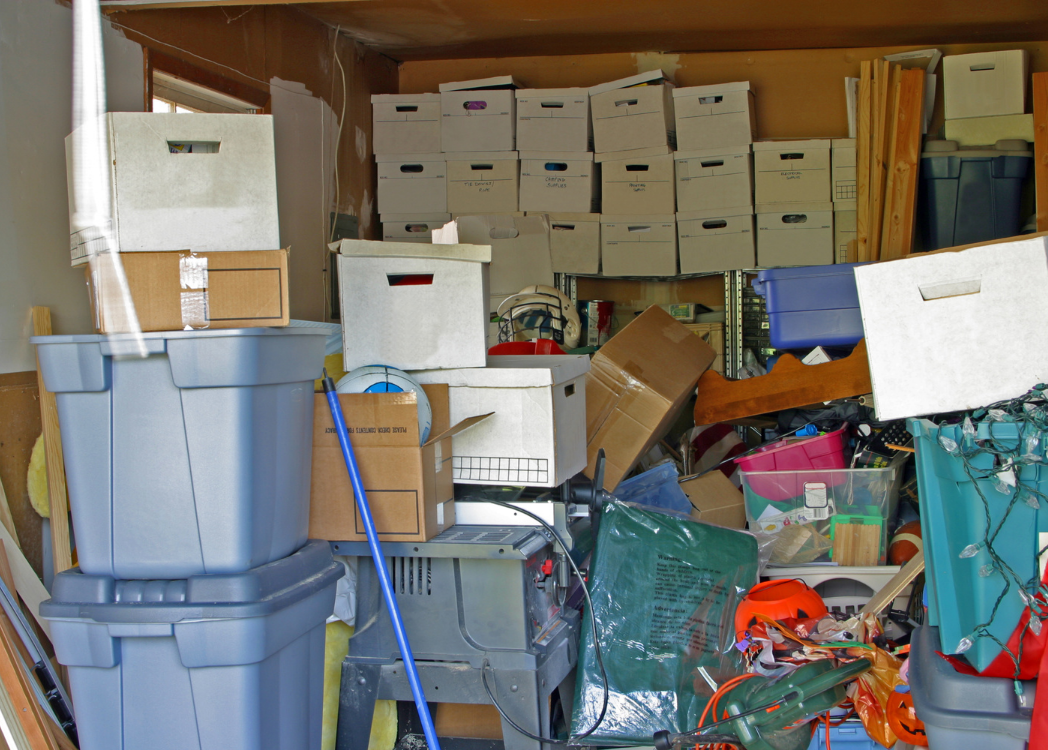
Closets, storage rooms, and areas where items remain undisturbed for long periods can also hide early signs of change.
Because items sit in place for months or even years, they can mask:
- Minor moisture issues
- Changes in airflow
- Small shifts in surrounding surfaces
Occasionally moving or checking stored items allows you to see what’s happening behind them.
Why These Areas Matter
What all of these spaces have in common is that they don’t receive regular attention. That makes them useful—not because they’re more likely to develop problems, but because changes there tend to go unnoticed longer.
In more visible areas of the home, issues are often addressed quickly simply because they’re seen. In overlooked areas, those same issues have more time to develop.
That doesn’t mean these spaces require constant monitoring. It simply means they benefit from occasional awareness.
What You’re Really Looking For
When checking overlooked areas, the goal isn’t to inspect every detail. It’s to notice whether anything feels different than expected.
That might include:
- A new smell
- A change in temperature or airflow
- A surface that looks slightly different
- A component that doesn’t operate the same way
These signals are often subtle, but they provide context for how the home is responding to its environment.
A Simple Way to Build It In
You don’t need to create a separate routine just for these areas. Instead, it can be helpful to include one or two of them each time you’re already doing something else.
For example:
- Checking under a sink while cleaning the kitchen
- Looking behind an appliance when moving something
- Taking a quick look in the attic during a seasonal change
This keeps the process manageable and avoids turning it into a larger task.
Seeing the Home More Completely
A home isn’t just the spaces you interact with most—it’s everything that supports those spaces. The areas that are easiest to overlook are often the ones that provide the most useful information when something begins to change.
Spending a small amount of time noticing these areas helps create a more complete understanding of how the home is functioning as a whole.
And in many cases, that awareness is what allows small issues to stay small.