Exterior Lighting Upgrades for Shorter Days
Add security, curb appeal, and energy savings with smart outdoor lighting for long Chicago nights.
As autumn settles over Chicago, the days grow noticeably shorter. Sunset can creep in before many homeowners return from work, leaving driveways, walkways, and porches in darkness. Beyond the inconvenience, poor exterior lighting creates safety hazards—hidden steps, icy patches, and dark corners that can invite intruders.
Upgrading your outdoor lighting before winter arrives isn’t just about aesthetics. It’s a practical way to protect your household, save energy, and highlight your home’s architecture. Here’s an in-depth guide to choosing, installing, and maintaining outdoor lighting that looks great and works hard through a long Midwest winter.
Why Good Lighting Matters in Late Fall and Winter
- Safety and Visibility: Icy walks and hidden steps are two of the most common causes of winter injuries. A well-lit path helps you, your visitors and the Amazon delivery driver, avoid slips and falls.
- Security: Burglars favor dark properties. Motion-activated lights or a bright porch lamp act as a deterrent.
- Curb Appeal: Thoughtful lighting brings out architectural details and landscaping even when daylight is scarce.
- Mood and Comfort: Warm light on a cold evening provides a welcoming glow that makes home feel extra inviting.
Choosing the Right Fixtures for Chicago Weather
Chicago winters demand durable, weather-resistant materials. When shopping for new fixtures, look for:
- Weatherproof Ratings: Check for UL Wet or Damp location ratings.
- Corrosion-Resistant Finishes: Powder-coated aluminum, brass, or stainless steel stand up to salt and slush.
- Sealed Housings: Prevents moisture from entering and freezing inside.
Style still matters, of course. Match finishes to your home’s trim or hardware—black matte, bronze, or brushed nickel remain classic choices that complement brick and siding.
Key Lighting Zones Around the Home
Entryways
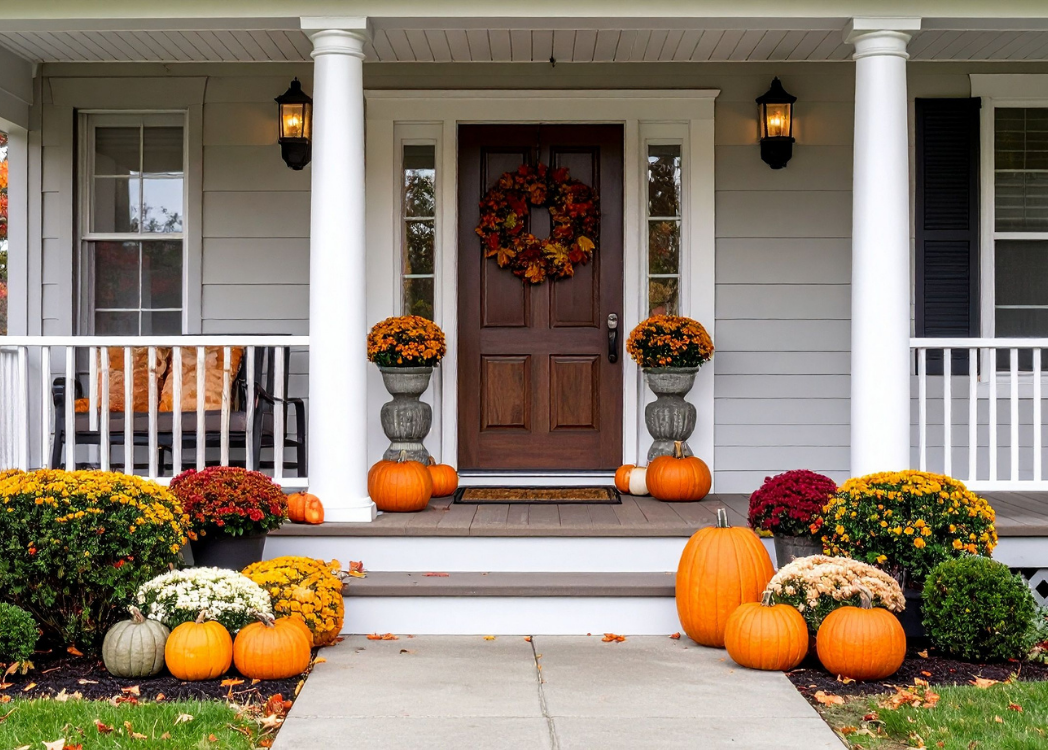
Bright, even light at front and back doors is essential for safety and security. Wall-mounted sconces or pendant lights on either side of a door create balance and minimize shadows.
Pathways and Driveways
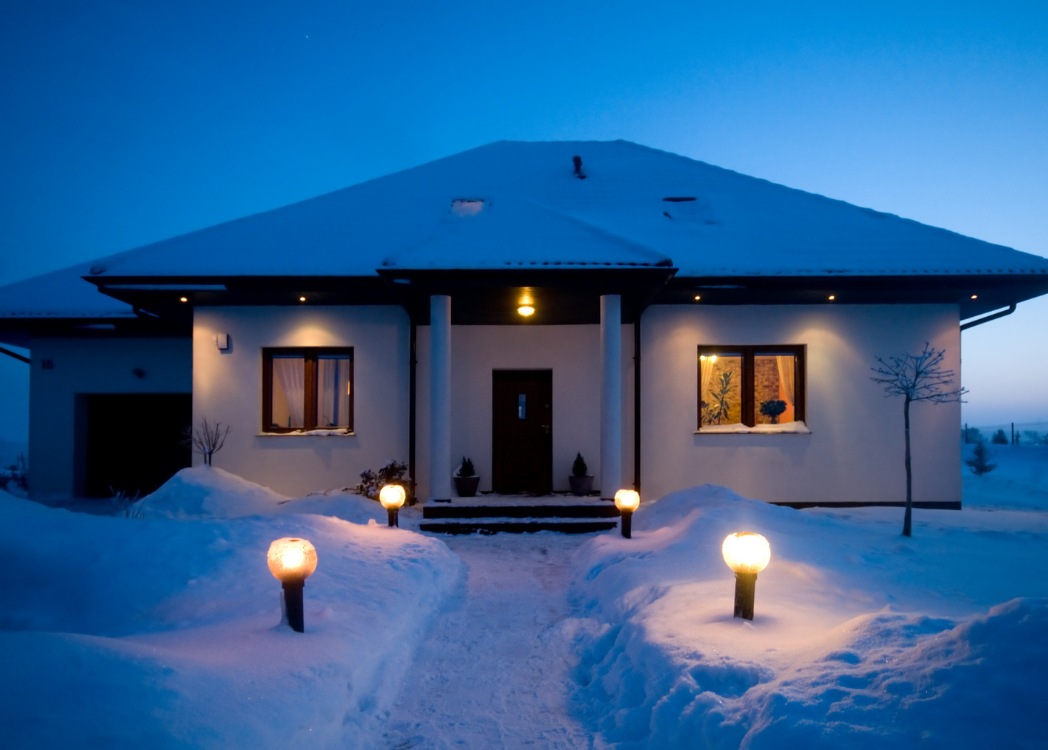
Low-voltage LED path lights guide guests and protect against icy hazards. For driveways, consider down-facing fixtures on posts to prevent glare for drivers.
Garages and Side Yards
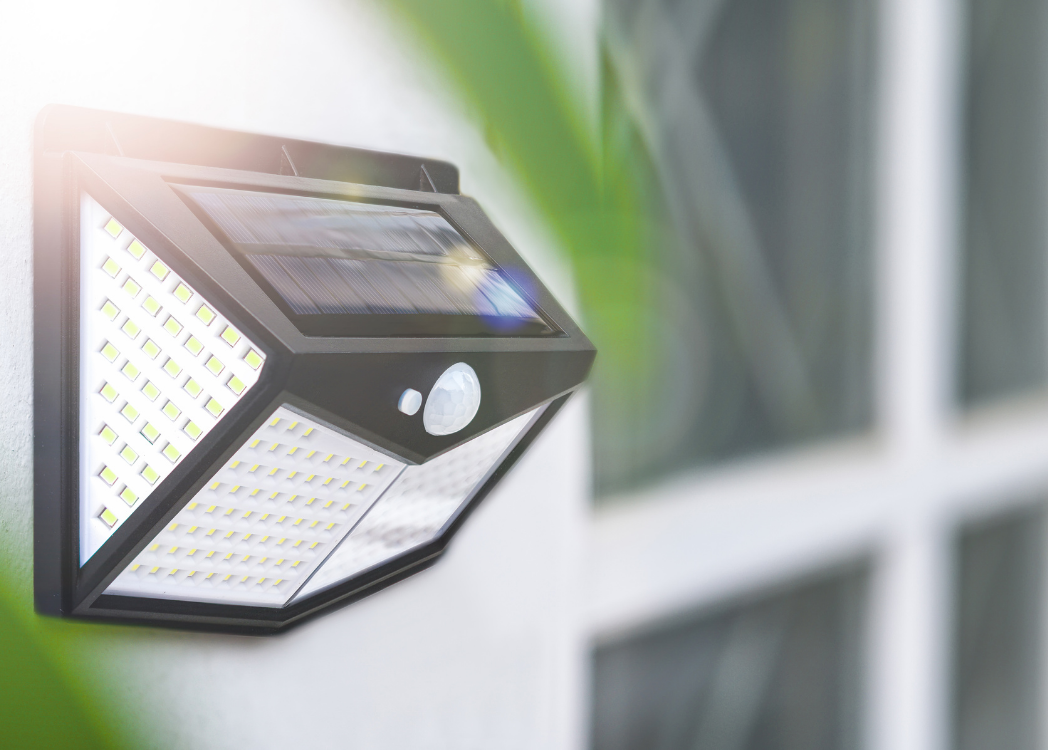
Motion-sensor floodlights instantly illuminate large areas when movement is detected, discouraging trespassers and making nighttime tasks easier.
Decks and Patios
Even in winter, decks benefit from subtle accent lighting. Recessed step lights or under-rail LEDs add both charm and safety for quick trips outside.
Lighting Types and Their Benefits
- LED Fixtures: Energy-efficient, long-lasting, and ideal for cold climates where traditional bulbs can dim.
- Solar Lights: Great for paths if you receive adequate sunlight, but less reliable during short, cloudy winter days.
- Low-Voltage Systems: Provide consistent light and are safer to install and maintain than high-voltage wiring.
Smart Lights: Wi-Fi or app-controlled fixtures let you schedule illumination or adjust brightness remotely.
Energy Savings and Automation
Modern exterior lighting doesn’t have to inflate your electric bill.
- Dusk-to-Dawn Sensors: Automatically turn lights on at sunset and off at sunrise.
- Timers and Smart Plugs: Program lights to operate only during key hours.
- LED Efficiency: LEDs use up to 75% less energy and last 20 times longer than incandescent bulbs.
Design Tips for Style and Security
- Layer Lighting: Combine ambient, task, and accent lighting for depth and visual interest.
- Avoid Over-Lighting: Too-bright floodlights create harsh shadows and can bother neighbors.
- Use Warm Color Temperatures (2700–3000K): Provide a welcoming glow without looking stark.
- Highlight Architecture and Landscaping: Uplight a brick façade or spotlight a beautiful tree for year-round curb appeal.
Installation and Safety
While many homeowners can install low-voltage systems themselves, consider hiring a licensed electrician for new wiring or high-voltage fixtures. Always:
- Turn off power at the breaker before working on any electrical components.
- Use weatherproof connectors and bury outdoor cables to prevent damage from snow shovels or lawn equipment.
- Check local codes or homeowners’ association guidelines for placement and brightness restrictions.
Maintenance for Long Chicago Winters
- Regular Cleaning: Wipe lenses to remove dirt and salt spray that can dim brightness.
- Check Seals: Inspect gaskets and caulking annually to prevent water intrusion.
- Replace Bulbs in Pairs: Keep color temperature consistent and avoid mismatched lighting.
- Adjust Timers Seasonally: Revisit settings as daylight hours change.
Small Upgrades with Big Impact
Even without a full lighting overhaul, a few strategic changes can make a difference:
- Swap incandescent bulbs for LEDs in existing fixtures.
- Add solar-powered accent lights to highlight landscaping.
- Install motion-sensor bulbs in standard sockets for instant security.
Key Takeaways
- Short winter days demand brighter, smarter exterior lighting for safety and curb appeal.
- Choose weather-rated fixtures and durable finishes to withstand snow, ice, and salt.
- Layer different lighting types—path, accent, and motion—to create both beauty and security.
- Use LED bulbs, timers, and sensors to cut energy costs and extend lamp life.
- Routine maintenance keeps fixtures shining through Chicago’s toughest months.
Final Thoughts
Investing in exterior lighting before the darkest months isn’t just a style upgrade—it’s a commitment to safety and energy efficiency. Whether you add a few motion-sensor floods or design a full low-voltage system, these improvements will brighten winter evenings and showcase your home in every season.