Energy-Smart Upgrades for Older Homes — Save Money & Stay Comfortable
Chicago’s historic homes offer charm that can’t be replicated — ornate trim, solid craftsmanship, thick framing that’s built to last. But many older houses weren’t designed for modern heating and cooling needs.
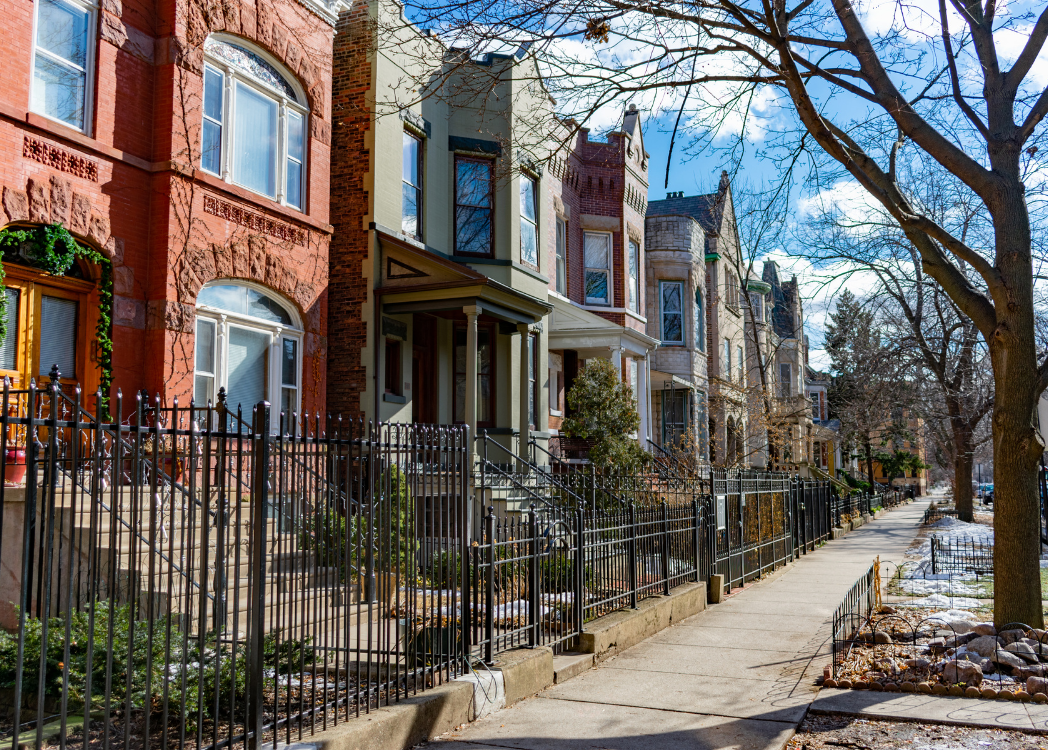
Chicago’s historic homes offer charm that can’t be replicated — ornate trim, solid craftsmanship, thick framing that’s built to last. But many older houses weren’t designed for modern heating and cooling needs.
Seasonal extremes can reveal:
- Cold bedrooms above an uninsulated porch
- Hot upper floors in summer
- Drafty windows and doors
- Rising utility bills
Fortunately, there are effective ways to improve comfort and efficiency without changing the character of your home.
Below are some of the smartest and most cost-effective upgrades for older homes in Chicagoland.
Seal Drafts Around Windows and Doors
Older homes commonly lose heated or cooled air around:
- Window trim and sash edges
- Door thresholds
- Outlets and switch plates on exterior walls
- Baseboards along edges of rooms
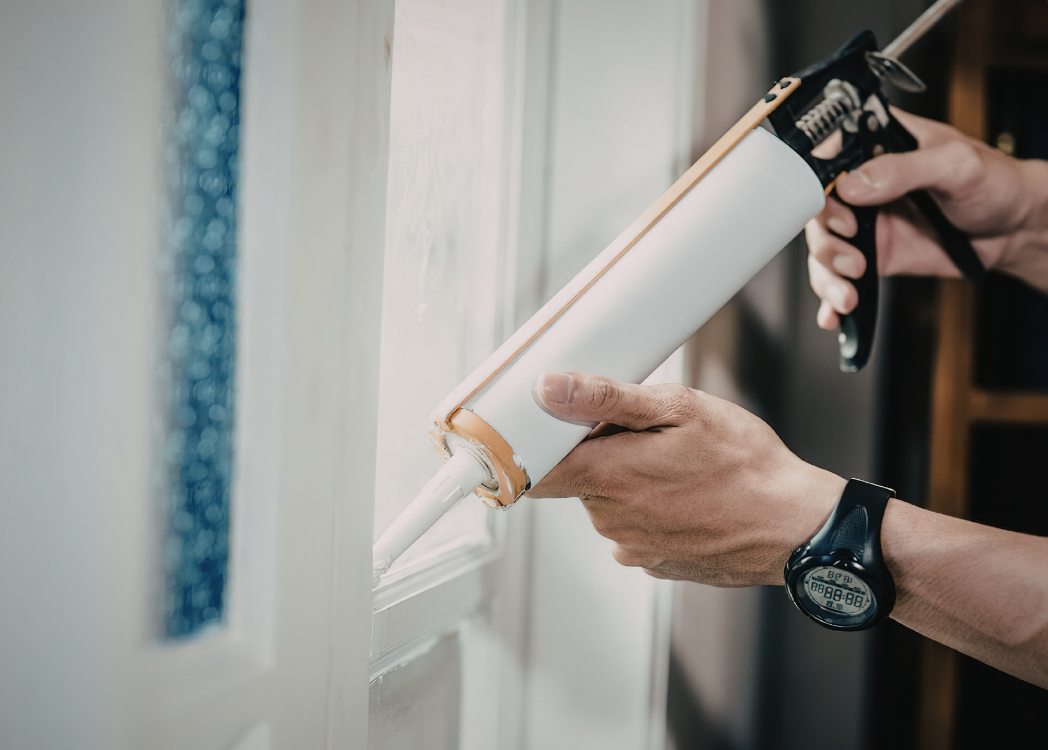
Weather-stripping and caulking are low-cost improvements that help maintain consistent indoor temperatures and reduce the load on HVAC systems.
Upgrade Lighting to LEDs
Switching from incandescent or compact fluorescents to LEDs helps in multiple ways:
- Uses less energy → lower utility bills
- Lasts longer → less maintenance
- Runs cooler → helps rooms stay comfortable
This change also opens possibilities like dimmer switches or under-cabinet lighting — improving functionality and ambiance.
Improve Attic and Basement Insulation
Insulation plays a major role in temperature balance. In older homes, problem areas usually include:
- Attic floors where heat escapes in winter
- Rim joists where cold air enters basements
- Crawl spaces and cantilevered floor sections
Better insulation = fewer temperature swings + less strain on heating/cooling equipment.
Install a Smart Thermostat
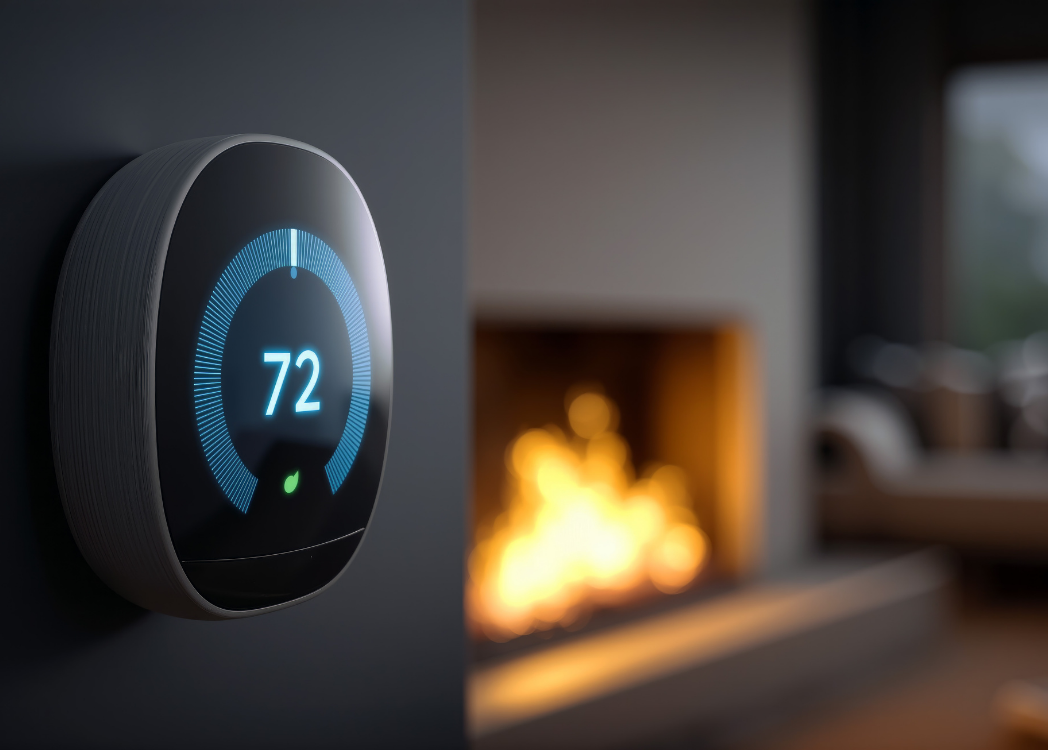
Smart thermostats automatically optimize temperature control based on routines and weather shifts.
Benefits include:
- Reduced energy waste
- Comfort balance between floors
- Remote adjustment from a smartphone
Use Ceiling Fans for Temperature Balance
Fans don’t heat or cool air — they move it.
- Winter: reverse blades to push warm air downward
- Summer: boost airflow to help AC work more efficiently
This is especially helpful in tall or multi-story homes where heat rises.
Upgrade Older Appliances Over Time
Appliances typically lose efficiency before they fail completely. These upgrades lead to noticeable energy savings:
- High-efficiency furnaces and boilers
- ENERGY STAR® dishwashers, washers, and dryers
- Air conditioners or mini-split heat pumps
If immediate replacement isn’t in the budget, annual maintenance alone can improve performance.
Add Insulated Window Treatments
Windows are a major source of heat loss, especially original ones. You don’t need full replacements to boost comfort.
Options include:
- Thermal curtains
- Cellular shades
- Storm window inserts
These allow older windows to continue shining — while protecting comfort.
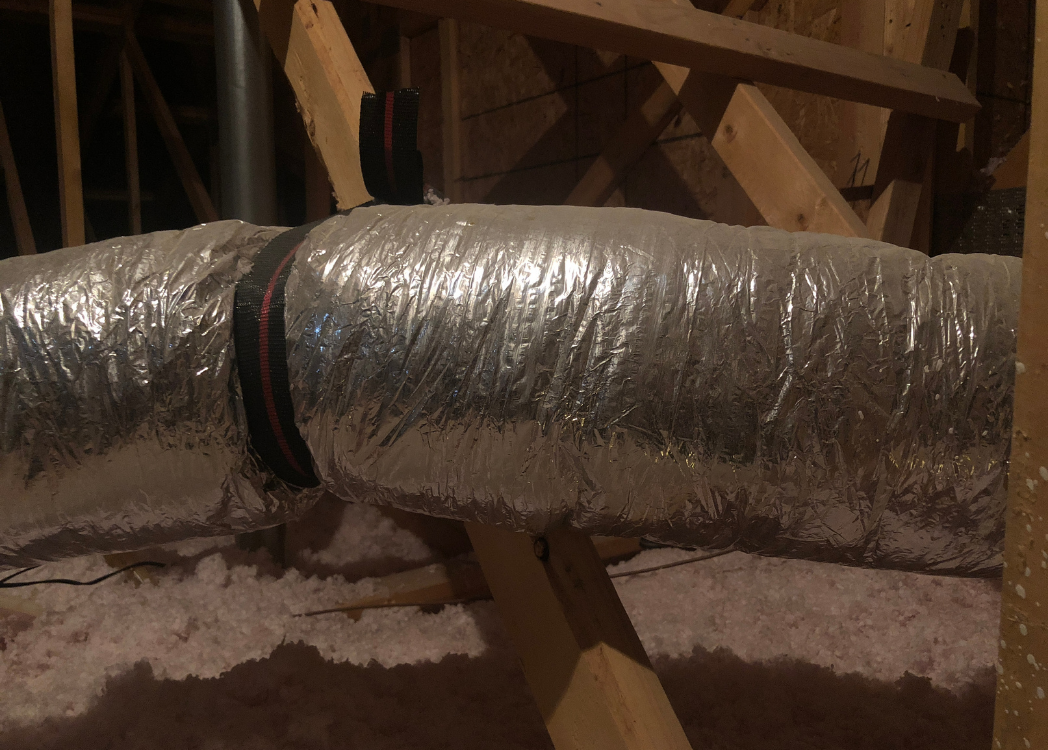
Seal and Insulate Ductwork
Homes with older ducting often lose conditioned air in:
- Basements
- Attics
- Utility rooms
This simple upgrade supports more balanced temperatures throughout the home.
Why Small Steps Matter
Even without large renovations, these improvements make a meaningful difference:
- Lower energy bills
- Reduced noise from outdoors
- More stable temperature throughout the house
- Extended equipment lifespan
Choosing one project at a time allows for gradual progress and budget control — while still strengthening comfort and efficiency.
Summary: Upgrade Priorities for Older Homes
Here’s a quick guide to how impactful each upgrade can be, and how much effort it typically requires:
- Weather-stripping & caulking
Effort: Low • Impact: High
Great first step — small improvements that seal out drafts.
- LED lighting upgrades
Effort: Low • Impact: Moderate
Saves energy and improves light quality.
- Attic insulation improvements
Effort: Medium • Impact: Very High
One of the best returns in both comfort and energy savings.
- Smart thermostat installation
Effort: Medium • Impact: High
Efficient temperature control that adapts to real use.
- Ceiling fans / airflow improvements
Effort: Low • Impact: Moderate
Helps balance temperature between floors.
- Upgrading older HVAC or appliances
Effort: Medium–High • Impact: High
Reduces operating costs and improves comfort.
- Insulated window treatments
Effort: Low–Medium • Impact: Moderate
Reduces heat loss while preserving original window charm.
- Duct sealing & insulation
Effort: Medium • Impact: High
Ensures conditioned air reaches the rooms that need it most.