What a Handyman Service in Chicago Typically Covers (And What It Doesn't)
A clear look at scope, limits, and when a specialist may be the better fit.

Many Chicago homeowners aren’t entirely sure what qualifies as a handyman project until they’re already mid-repair. This uncertainty can lead to delays, mismatched expectations, or hiring the wrong professional for the job.
Understanding the typical scope of a handyman service—especially in a city like Chicago—helps homeowners plan more effectively and avoid unnecessary complications.
What a Handyman Service Is Designed to Handle
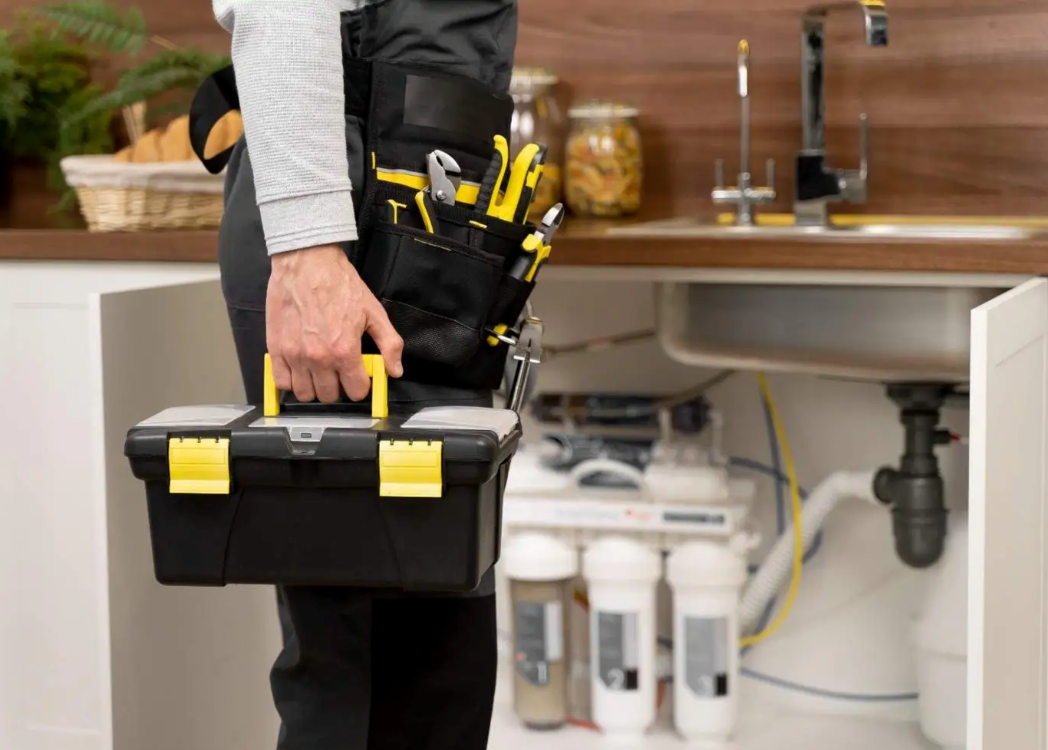
Handyman services are generally well suited for small to mid-sized projects that don’t require extensive permitting or structural changes. These are often the tasks that fall between DIY and specialized contracting.
Common categories include:
- Minor drywall repairs and patching
- Door, trim, and hardware adjustments
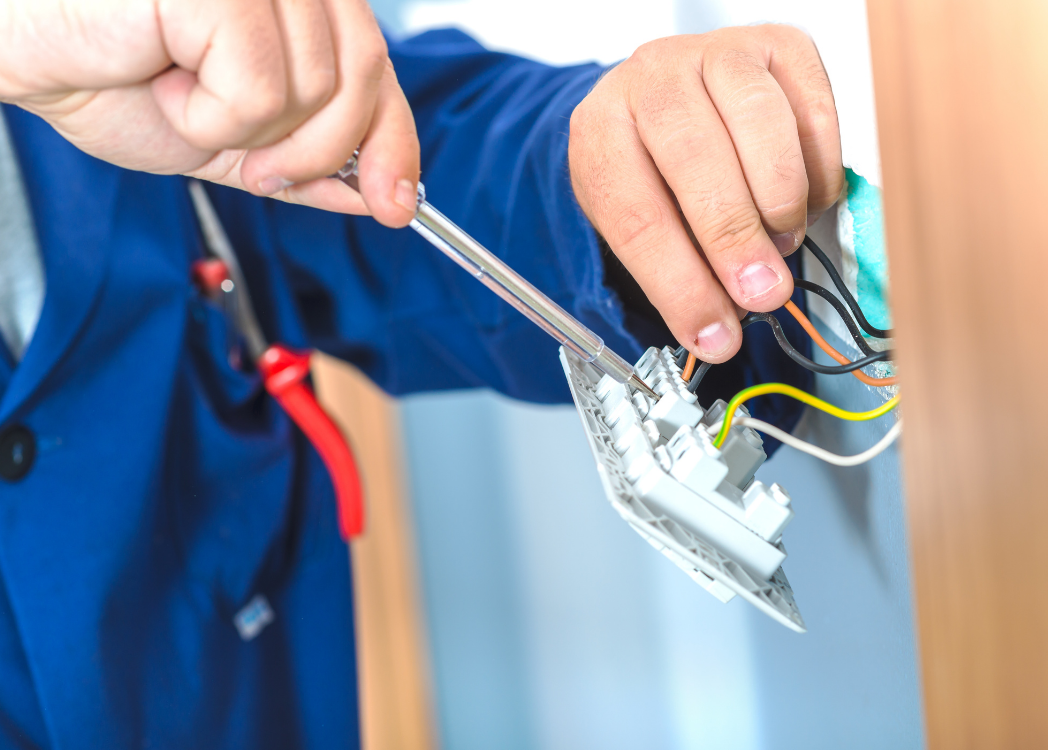
- Light fixture replacements and basic electrical swaps
- Faucet replacements and minor plumbing fixes
- Caulking, sealing, and weather-related repairs
- Installing shelving, curtain rods, or wall-mounted items
These tasks often involve a mix of skills rather than deep specialization in one trade.
Why Chicago Homes Add Extra Complexity
Chicago housing stock introduces unique challenges that can affect scope. Older homes may use materials or construction methods that are less common today, such as plaster walls or outdated wiring.
Other factors include:
- Condo and HOA rules that affect scheduling
- Shared systems in multi-unit buildings
- Limited access or parking constraints
- Seasonal conditions that impact materials and timing
What appears to be a simple task can require additional planning once these factors are considered.
Tasks That Often Fall Outside a Handyman’s Scope
While handyman services are versatile, they typically do not cover:
- Structural modifications
- Full electrical rewiring
- Major plumbing system changes
- Load-bearing wall alterations
- Projects requiring extensive permits or inspections
These projects usually require licensed specialists due to safety, code, or insurance considerations.
The Importance of Matching the Job to the Right Professional
One of the most common issues homeowners encounter is hiring a professional whose scope doesn’t align with the project. This can lead to delays or the need to bring in additional trades later.
Understanding scope upfront helps homeowners:
- Avoid scheduling conflicts
- Prevent unexpected costs
- Keep projects moving smoothly
In some cases, homeowners find that starting with a handyman for preparation or minor work can still be part of a larger, phased approach.
Condo vs Single-Family Home Considerations
Handyman work in Chicago condos often involves additional coordination. Building rules may limit work hours, require approvals, or mandate insurance documentation.
Single-family homes, particularly in the suburbs, may involve more exterior or access-related work. Understanding these differences helps set realistic expectations for both scheduling and scope.
Why Scope Clarity Benefits Everyone
Clear scope benefits homeowners and professionals alike. When expectations align, projects tend to be smoother, timelines more predictable, and outcomes more satisfying.
Homeowners who understand what a handyman service can and cannot do are better positioned to plan repairs efficiently and avoid frustration.
Related Articles:
- Electrical Projects You Can’t DIY in Chicago
- GFCI vs AFCI Protection in Chicago Homes
- Ceiling Fan Installation Tips Chicago