Homeowner’s Guide to Exterior Drainage & Gutter Maintenance
Water is one of a home’s biggest enemies — especially in climates with heavy rain, snow, and freeze-thaw cycles. When drainage systems aren’t working properly, water can end up where it doesn’t belong: behind siding, inside basements, under roofs, and around foundations.
Keeping gutters, downspouts, and grading in good order protects your home from:
- Foundation cracking and settling
- Mold and moisture damage
- Flooding and basement leaks
- Roof edge deterioration
- Ice dams in winter
A little attention each season goes a long way in preventing costly repairs.
Why Proper Drainage Matters
Homes are designed to shed water efficiently. When water doesn’t move away correctly, it begins to pool — finding cracks, seams, and openings over time.
Poor drainage can lead to:
- Soil erosion around the home’s perimeter
- Gaps forming near the foundation
- Water pressure against basement walls
- Damage to masonry or siding
- Inside moisture that causes odors and mold
A drainage system only works well when
all parts are functioning.
Gutter System Essentials
Keep Gutters Clear & Moving
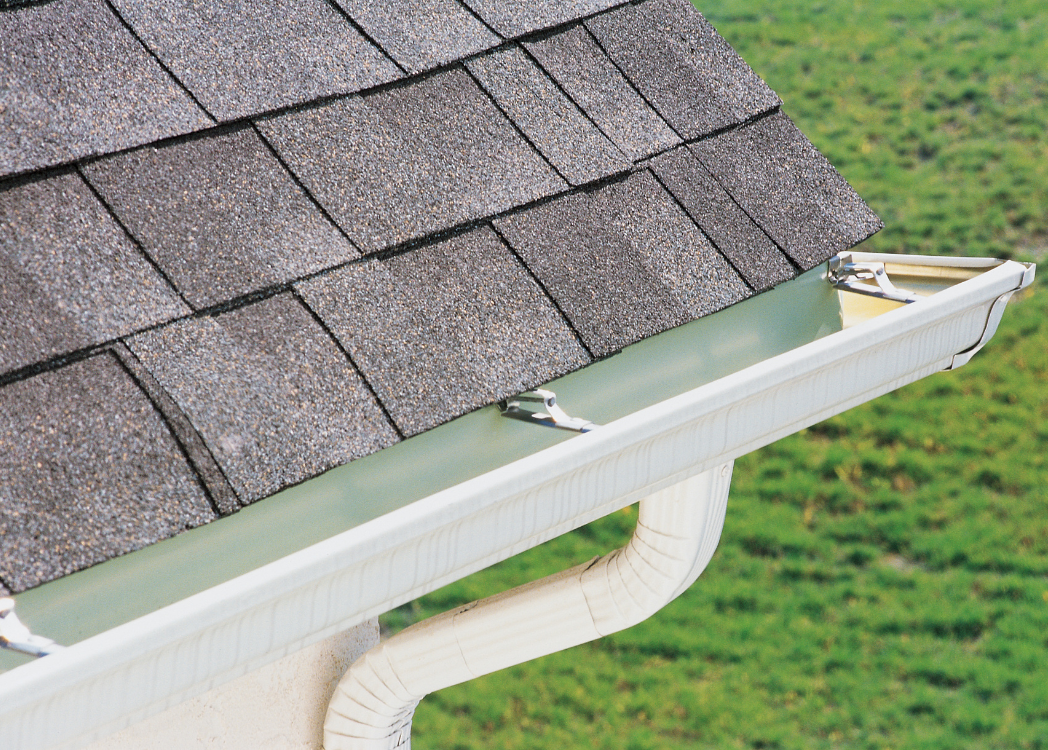
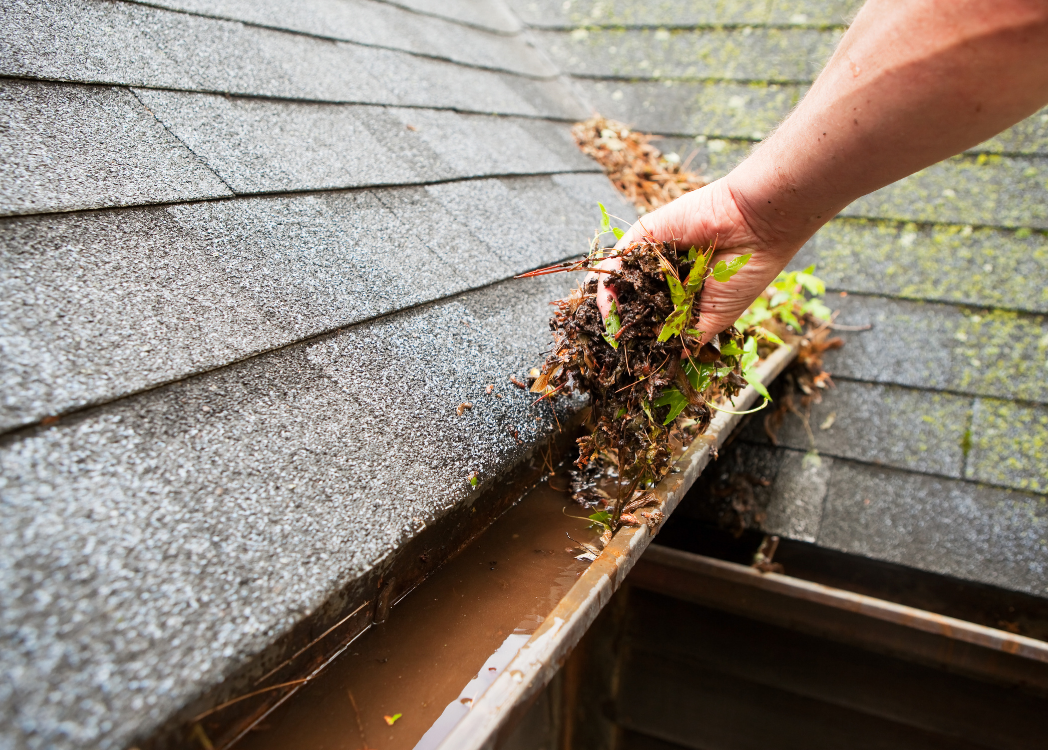
Gutters capture roof runoff and channel it away from the house. When they clog with leaves or debris:
- Rainwater spills over the edge
- Water flows down siding and window frames
- Erosion increases around the foundation
A good rule of thumb: clean gutters at least twice a year (fall and spring).
Look for:
- Standing water inside gutters
- Sagging or loosening along the fascia
- Seams that drip instead of channeling water
- Rust spots on older metal systems
Downspouts Need Proper Direction
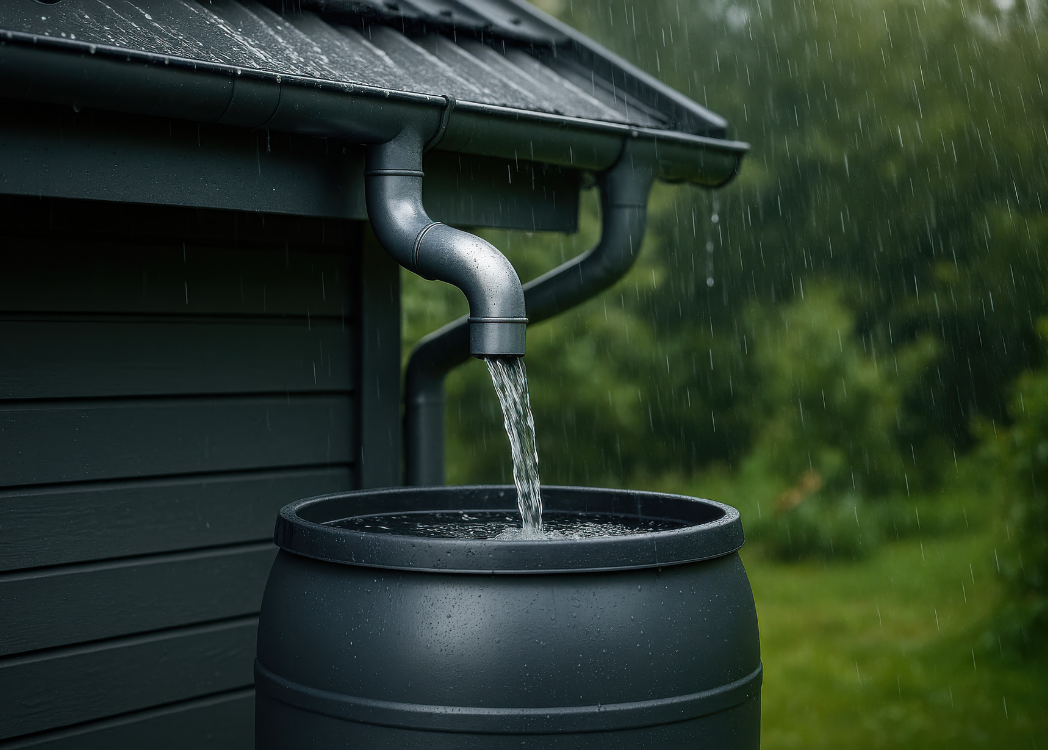
Even if gutters flow well, downspouts may not carry water far enough from the home. Check for:
- Extensions that reach at least 4–6 feet away
- Tight seams and elbows without leaks
- Splash blocks to avoid soil displacement
Pooling water near foundations is one of the most common causes of basement seepage.
Grading and Landscape Impact
Even with perfect gutters, the ground surrounding a home matters.
Grading should:
- Slope away from the foundation
- Drop at least 6 inches over 10 feet (general guideline)
Signs grading may be failing:
- Soil has settled downward near concrete
- Standing water after storms
- Mulch or dirt washed away after rainfall
Landscaping elements — garden beds, edging, patios — should never direct water toward the house.
Preventing Winter Ice Dams
In cold climates, improper roof drainage can lead to ice buildup along edges (called ice dams).
What helps:
- Clear gutters before freezing weather
- Ensure attic insulation and ventilation are balanced
- Seal air leaks into attic spaces
Ice dams can push water backward under shingles — causing damage unseen until spring.
Basements: The Most Vulnerable Area
Water pressure against basement walls increases when:
- Downspouts drain too close
- Surface water isn’t redirected
- Soil expands with heavy moisture
Watch for:
- Efflorescence (white powder on walls)
- Damp spots or peeling paint
- Musty odors inside finished walls
Addressing drainage issues outside is often the first step before interior waterproofing.
Simple Seasonal Drainage Checklist
Spring
- Clear debris from roof and gutters
- Confirm downspouts discharge properly
- Check for soil settling next to foundation
- Test sump pump if installed
Summer
- Inspect for gutter leaks during a rainfall
- Add extensions or splash blocks if needed
- Ensure landscaping slopes away from home
Fall
- Remove leaves from gutters frequently
- Prepare for freeze-thaw by cleaning all channels
- Seal small cracks in paved or concrete surfaces
Winter
- Monitor for ice buildup around gutters
- Watch attic for frost, a sign of air leaks
- Ensure inside humidity stays in a healthy range
Routine checks help catch problems while they’re still simple.
When to Consider Professional Help
Some situations call for experienced support:
- Repeated basement leaks
- Persistent standing water near home after rain
- Heavily rusted or disconnected gutters
- Cracking or bowing exterior walls
- Major grading issues or property slope concerns
A professional assessment can identify whether solutions require repair, replacement, or regrading.
Keeping Water in Its Place
An effective drainage system protects the structure, health, and comfort of your home. When gutters, downspouts, and grading all work together, they quietly keep your biggest investment dry and secure.
Small, proactive adjustments often make the biggest difference — and help avoid issues that only become visible long after moisture has already made its way inside.