Seasonal Home Maintenance: A Checklist for Every 3–6 Months
Homes are constantly working — heating, cooling, draining, supporting, and protecting. While major repairs feel urgent, it’s often the quiet, routine upkeep that prevents breakdowns in the first place.

Seasonal maintenance keeps your home running smoothly by:
- Preventing surprise repairs
- Extending the life of major systems
- Improving safety and comfort
- Keeping small issues from becoming large ones
This homeowner-friendly checklist breaks maintenance into four manageable seasonal routines, with a few extra annual tasks to ensure everything is operating the way it should.
Spring — Water Management & Exterior Readiness
Winter is tough on homes. Spring is the time to check structures, drainage, and anything exposed to snow, ice, and freeze cycles.
Key tasks:
- Clean gutters and check downspout direction
- Check grading — soil should slope away from foundation
- Look for water staining in basement or crawlspace
- Test sump pump + backup power if installed
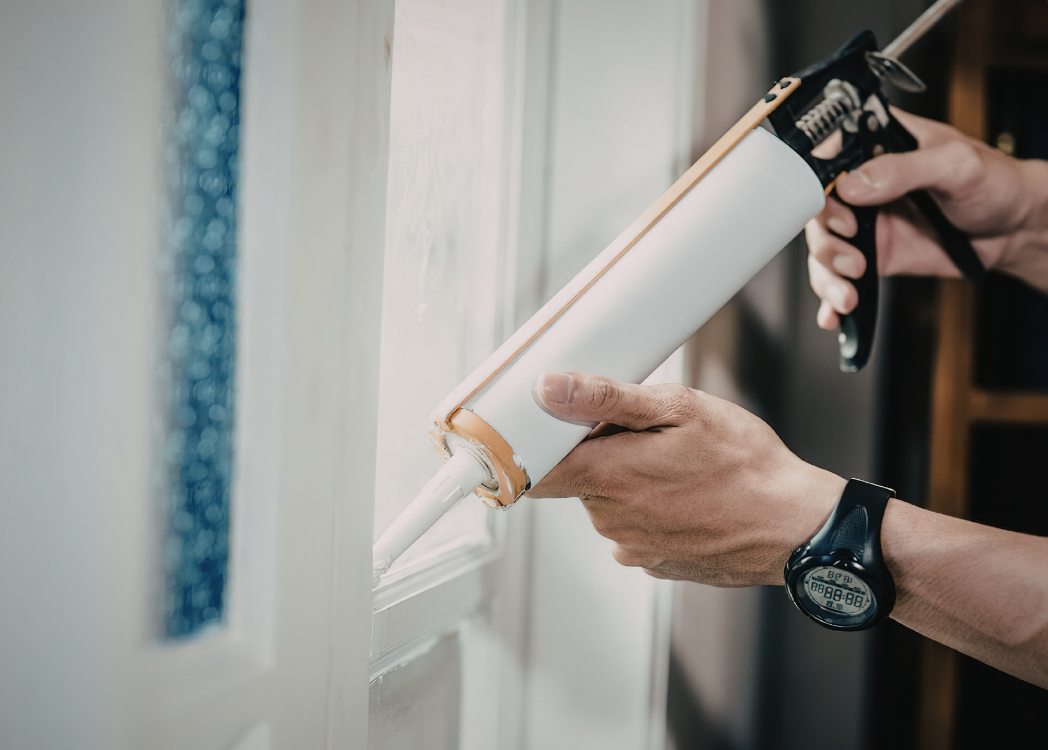
- Inspect exterior caulking and seal gaps
- Service AC before summer heat arrives
- Clean dryer vent to improve airflow and safety
Spring is a prime season for identifying moisture risks early before heavy rains arrive.
Summer — Airflow, Ventilation & Outdoor Living
Summer allows easier access to outdoor areas and attic spaces.
Key tasks:
- Check attic ventilation and insulation coverage
- Inspect decks and fences for rot or loose fasteners
- Clean and seal outdoor wooden surfaces if needed
- Test GFCI outlets outside and in wet areas
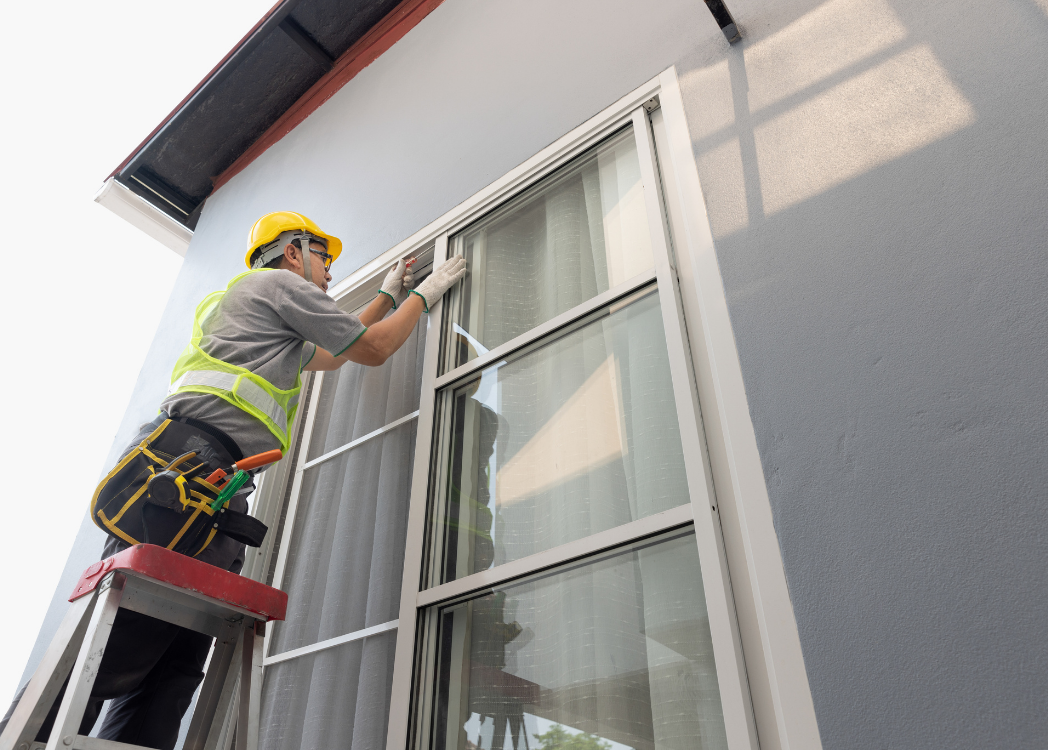
- Check windows and screens for holes or binding
- Adjust ceiling fan direction for optimal cooling
- Inspect irrigation systems for leaks or overspray
Warm weather is ideal for refreshing and protecting exterior finishes.
Fall — Heating System Readiness & Safety Checks
Preparation is key before temperatures drop.
Key tasks:
- Replace furnace filter; schedule annual furnace check
- Test smoke and carbon monoxide detectors
- Clean gutters of leaves before snow and freeze
- Seal weatherstripping around doors and windows
- Inspect chimneys or vent pipes if used
- Shut off and drain exterior hose bibs
- Clear debris from yard drainage paths
Fall maintenance keeps heating efficient and helps prevent winter water damage.

Winter — Indoor Comfort & Moisture Monitoring
Cold months reveal issues related to drafts, heat balance, and ventilation.
Key tasks:
- Monitor humidity to prevent condensation and mold
- Check for cold spots and add door sweeps if needed
- Test AFCI breakers and replace malfunctioning outlets
- Inspect caulking around showers and tubs
- Listen for unusual furnace noises
- Check attic for frost buildup (a sign of air leaks)
Winter is ideal for indoor upgrades and repairs, when outdoor work is less feasible.
Annual Checklist — Priority Systems and Structural Elements
Some critical tasks only need to be done once a year, but they carry high importance for home safety and longevity:
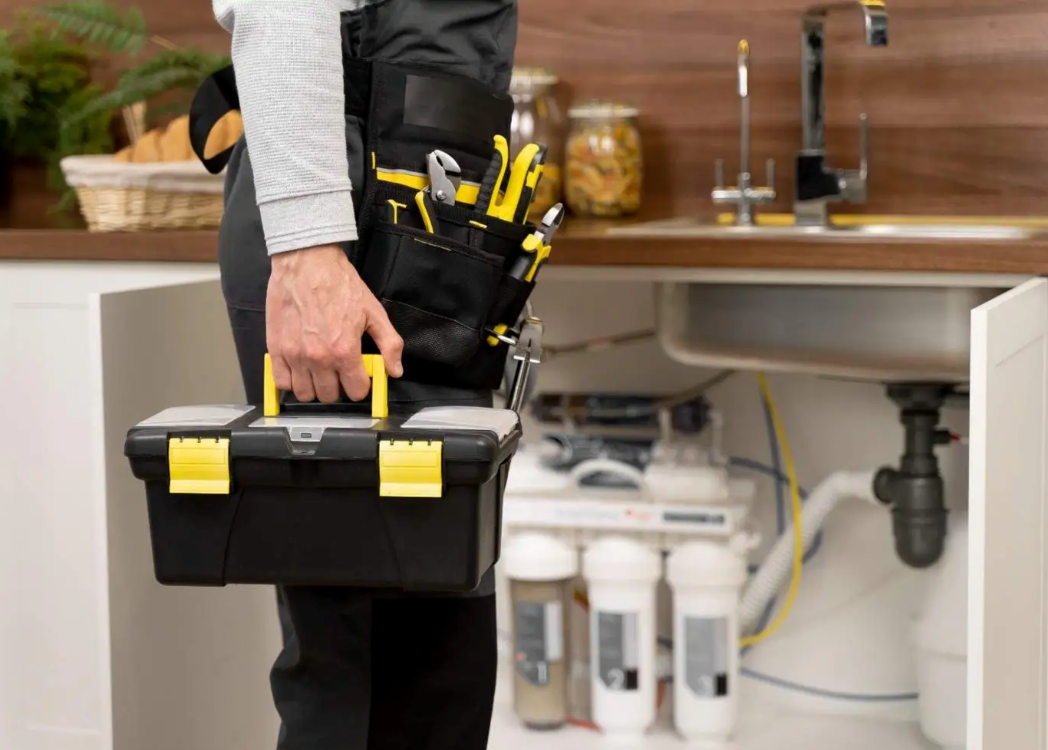
- Full plumbing check for leaks and corrosion
- Roof inspection by a professional
- Sewer line camera check (especially in older homes)
- Check water heater performance and sediment flush if applicable
- Termite/wood-destroying pest inspection in risk zones
- Review shutoff valve access and operation
Routine oversight of these systems can prevent emergencies.
Maintenance Areas Most Homeowners Miss
Even with the best intentions, some jobs slip through the cracks.
Top overlooked areas:
- Sump pump function — rarely checked until it fails
- Exterior caulk — small cracks let in water
- Dryer vent buildup — a major fire risk
- Bathroom exhaust fan dust — leads to moisture issues
- Downspout extensions missing or damaged
- Behind refrigerator — coils collect debris and strain motor
- Re-securing loose railings or steps that worsen over time
Catching these early helps maintain both
safety and value.
Create a Maintenance Calendar That Works for You
A great strategy is to divide tasks by season and set reminders:
- Add recurring tasks to your phone calendar
- Check 1–2 items per weekend instead of all at once
- Keep a simple log of last-completed dates
Consistency is more important than perfection. Even doing most tasks yearly puts you ahead of the curve.

When to Call Professionals
Homeowners can handle many tasks themselves — but certain work requires expertise, especially when it involves:
- Structural concerns
- Roofing or exterior repairs
- Electrical panel upgrades or wiring issues
- Major plumbing leaks or sewer backups
- Heating/cooling performance concerns
Professional maintenance isn’t just repair-focused — it is preventative, helping spot risk factors before trouble shows up inside the home.
A Well-Maintained Home Performs Better
Regular maintenance supports:
- Longer lifespan for HVAC, roofing, plumbing, and appliances
- Stable comfort through all seasons
- Better indoor air quality
- Higher property value
- Lower long-term repair expenses
A little attention through the year ensures that your home continues doing its job — protecting the people inside.